
Not long ago, a close friend of mine hired a local handyman in their community to do a few minor repairs around their home. The man he hired had done work for a few of his neighbours, and when my friend asked them about his work, all of his neighbours highly recommended him for his attention to detail, craftsmanship, and fair prices.
Interestingly, while doing a walk-through of his home and describing the work he wanted done, my friend asked him if he had business insurance. The handyman turned to face my friend, crooked an eyebrow, and replied, “Business insurance? No. Why would I need insurance for this type of work?” Yikes.
There are many reasons why a handyman should have insurance. After all, no one is immune from accidents, making mistakes, or experiencing unexpected damage or loss.


Related Posts




On that note, here are four common insurance claims a handyman, handywoman, or handyperson can face:
1. Theft
Undoubtedly, the theft of a handyman’s tools from an unattended vehicle, storage unit, or job site is the most frequent problem. Replacing quality tools after unknown persons have stolen them isn’t cheap.
One of our clients experienced this misfortune. They secured their tools and left them overnight at a job site where they were working. When they returned the following day to begin work, they discovered their tools had been stolen. The good news is they had tools and equipment insurance, and we ensured they received $5,000 to replace them.
2. Third-Party Property Damage
Everybody makes mistakes now and then. But if you make a mistake while on the job that damages or destroys a customer’s property, you’re liable to pay for it.
For example, one of our clients – a skilled painter – was hired to paint a garage door, and accidentally damaged a customer’s vehicle by spilling paint on it. Fortunately, our client had general liability insurance, which covers third-party property damage. Otherwise, he would’ve had to pay the $12,500 repair bill for his customer’s car.
3. Third-Party Bodily Injuries
Regardless of how careful you are whenever and wherever you provide your services, injuries to customers or passersby can happen.
For example, if you’re using an electrical power drill attached to an extension cord, and someone trips over it, falls, and is hurt, you can be liable for their medical expenses.
A client of ours was in such a predicament when their customer was injured and ended up with a $7,500 medical bill. However, our client had general liability insurance (it covers injuries to others as well as third-party property damage), and their insurance paid for the injured customer’s medical expenses.
4. An Auto Accident
Whatever type of vehicle you drive from one customer location to another, there’s always the possibility of getting into a collision.
Many independent professionals and small business owners may not realize that private-passenger car insurance isn’t designed to cover damages to a vehicle used for business purposes, or the coverage your personal policy might provide could be insufficient.
That’s why it’s wise to get a commercial auto policy. Furthermore, commercial auto insurance provides better coverage since it typically features higher coverage limits and protects more types of vehicles.
How to Get Low-Cost Handyman Insurance Fast
Zensurance can get a low-cost handyman insurance policy to protect your finances and livelihood.
Fill out our online application for a free quote. Our experienced brokers can advise you of the necessary coverages and customize a policy that suits your business and budget.
Recent Posts

12 Tips for Buying the Right Business Insurance in Canada
61% of Canadian small business owners surveyed have no coverage at all. That's a gamble few can afford to take if something goes wrong. Here's how to buy the right business insurance, and avoid paying for what you don't need.
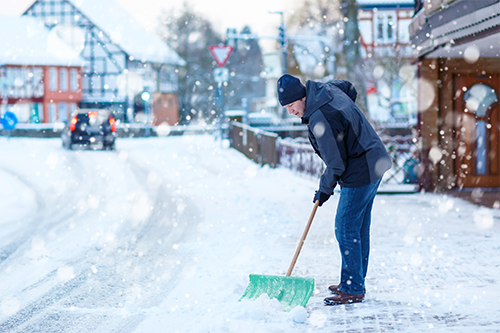
How to Write a Snow Removal Contract in Canada
Snow removal contracts do more than lock in the work. They define your scope, spell out who's liable, and get you paid on time. Here's what to include in your commercial and residential snow removal contracts before the first flake falls.
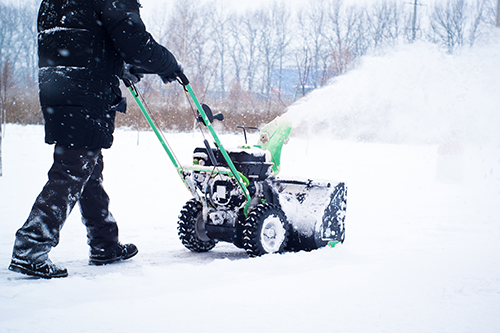
How Much Does Snow Removal Insurance Cost in Canada? (2026)
Snow removal and snowplow contractors need liability coverage in place before the first flake falls. Here's what snow removal insurance costs in Canada, what it covers, and how to keep your premium down.