
There may be concerns of economic woe ahead, but homeowners still need repairs occasionally, meaning handyman services should remain in demand throughout the year.
There may be peaks and valleys, of course. But a 2022 HomeStars survey found Canadian homeowners spent an average of $13,000 on indoor renovations and fixes, up from an average of $8,300 in 2021 despite inflation and rising interest rates.
Although 2023 may be a bumpy ride economically, and no profession or small business is immune to a recession or a challenging economy, handyman services are fairly resilient.

Related Posts





So, whether you call yourself a renovation expert, contractor, odd-jobber, tinkerer, jack of all trades, or handyman, there are opportunities to offer your services.
A profession by many names, the term ‘handyman’ or ‘handyperson’ means different things to different people. But it’s generally understood that a handyman is a skilled professional providing a wide variety of interior and exterior repairs and renovations, typically at residential properties. No matter what repair job you’re undertaking, it’s critical to protect your finances and livelihood with handyman insurance.
Why Does a Handyman Need Insurance?
In some scenarios, a handyman may be required to have insurance. For example, if serving as a subcontractor who wants to work for a general contractor, you’ll need to show a valid certificate of insurance. Or, if you’re seeking a business loan, any financial institution will ask to see your proof of insurance.
Beyond these scenarios, consider the following possibilities that could cost you thousands of dollars if you don’t have an insurance policy:
- Your tools are stolen or vandalized.
- You get into a collision with the vehicle you use for work.
- One of your clients is unhappy with your work and sues for damages.
- You enter a client’s home to do a repair and accidentally damage or destroy a piece of furniture or another item in their home.
- One of your clients is injured tripping over your toolbox or an extension cord while you’re working.
How Much Does Handyman Insurance Cost?
A handyman policy features several types of coverages to provide you with financial support for different aspects of your business, including:
- General liability insurance covers third-party bodily injury and property damage claims. It may also cover faulty workmanship claims.
- Commercial property insurance covers your office or business property and its contents from fire, water damage, theft, and vandalism.
- Tools and equipment insurance pays to repair or replace your tools and equipment if damaged by fire, flood, theft, or vandalism.
- Commercial auto insurance covers your pickup, van, car, or SUV if you’re in an auto accident.
There may be additional coverages you should consider adding to your policy, such as:
- Pollution liability insurance covers environmental damage liabilities arising from your work.
- Cyber liability insurance pays to repair your computing systems and damages to your clients if affected by a data breach or cyber-attack.
- Legal expense insurance is an inexpensive way to ensure you have access to legal advice from an experienced lawyer to deal with common issues like debt recovery or if you need to retain a lawyer to defend yourself in a lawsuit.
Concerning the premium or annual cost of a handyman insurance policy, prices vary between insurance providers. An insurance provider determines the cost of your policy depending on several factors, such as your location, experience, services, tools and equipment you own and their values, insurance claim history, and annual and projected revenue.
A general liability policy with a coverage limit of $2 million for a handyman typically costs around $591 annually.
How to Get Handyman Insurance
Getting a customized, low-cost handyman insurance policy through Zensurance is quick and simple.
Take a few minutes to fill out our online application for a free quote. Our friendly, licensed brokers will find the policy you need from one of over 50 insurance providers in our partner network and tailor it to suit your needs and budget.
Recent Posts

12 Tips for Buying the Right Business Insurance in Canada
61% of Canadian small business owners surveyed have no coverage at all. That's a gamble few can afford to take if something goes wrong. Here's how to buy the right business insurance, and avoid paying for what you don't need.

How to Write a Snow Removal Contract in Canada
Snow removal contracts do more than lock in the work. They define your scope, spell out who's liable, and get you paid on time. Here's what to include in your commercial and residential snow removal contracts before the first flake falls.
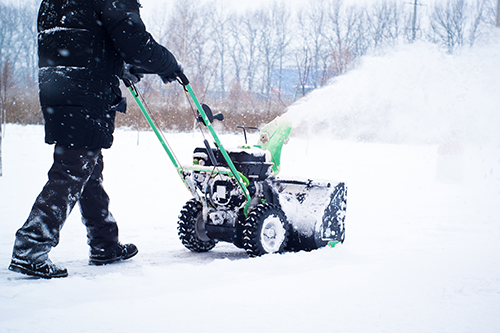
How Much Does Snow Removal Insurance Cost in Canada? (2026)
Snow removal and snowplow contractors need liability coverage in place before the first flake falls. Here's what snow removal insurance costs in Canada, what it covers, and how to keep your premium down.