
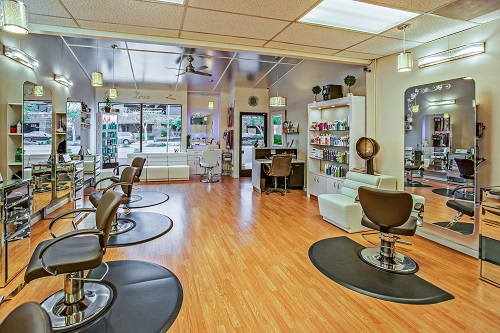
Owning and running a successful spa, salon, or another type of beauty business comes with many operating costs to consider. One of them is the cost of the necessary equipment you need.
For beauty industry business owners, protecting the investments they make in the equipment they have in their personal care clinics shouldn’t be left to what an item’s warranty states. Many times, a warranty may prove insufficient if a critical piece of equipment has an electrical malfunction or stops operating properly because of internal damage, for example.
That’s when equipment breakdown insurance makes a notable difference.





What Is Equipment Breakdown Insurance?
Equipment breakdown insurance provides spa and salon owners with financial support if their equipment ceases to work because of mechanical or electrical failure. It is an enhancement to commercial property coverage. It’s designed to cover the costs of repairing or replacing the damaged equipment from an insurable loss.
What Equipment Do Spas and Salons Have That Need Insurance?
Think of all the equipment your spa or salon has. If any of that equipment is destroyed or damaged because of an internal malfunction or a power surge, you can file a claim with a Zensurance broker who will represent you to ensure your insurance provider addresses it quickly.
Among the equipment this type of policy protects includes:
- Computers, photocopiers, phones, cash registers, and point-of-sale (POS) systems
- Magnifying lamps
- Facial steamers
- Wax or towel warmers and heaters
- Laser hair removal equipment
- Sterilization units
- Task lighting for manicures and pedicures
However, equipment breakdown insurance does not cover loss or damage to your equipment resulting from a fire, water damage, theft, or vandalism. It’s commercial property insurance that covers unexpected events such as these. You have to have commercial property coverage to purchase equipment breakdown insurance.
In addition to commercial property coverage, a spa or salon also needs professional liability and general liability coverages to create a customized spa liability insurance policy.
What Insurance Do Independent Beauty Professionals Need?
Maybe you don’t own a spa or salon and work part-time at one or rent a chair at a clinic. Whether you’re an independent or self-employed hair stylist, barber, cosmetologist, esthetician, or registered massage therapist (RMT), you, too, should protect yourself from client claims related to your services.
You may not need equipment breakdown coverage, but you should consider protecting your finances and reputation with beauty insurance. A few examples of how a beauty insurance policy can support you if facing a third-party claim for damages include:
- A cosmetologist whose makeup causes a client to suffer an allergic reaction.
- A dermatologist specializing in laser hair removal accidentally burns a client’s skin.
- A registered massage therapist facing the threat of a client lawsuit alleging your treatment exacerbated their existing injury.
- A nail technician’s pedicure treatment inflicts pain on a client for days afterwards and requires medical attention.
Fill out an online application for a free insurance quote from Zensurance and explore your options. Through our partner network of over 50 insurance providers, we can get the coverage you need to safeguard your profession at a price that might surprise you.
Sign Up for ZenMail
"*" indicates required fields
Recent Posts

Commercial Fleet Insurance in Canada: Does Your Business Need It?
If your business runs four or more vehicles, one commercial fleet insurance policy is usually cheaper and simpler than four separate commercial auto policies. Here's what fleet insurance covers, what it costs, and how to bring your premium down.

What You Need to Know About Vacant Commercial Property Insurance
An empty building isn't a safe building. Vandalism, burst pipes and liability claims don't stop when your tenant moves out – and your existing policy may stop covering them. Here's how vacant commercial property insurance fills the gap.

What Is Short-Term Rental Insurance for Airbnb and VRBO Hosts in Canada?
Insurance companies treat homesharing as a commercial activity, which means your homeowner policy likely won't cover you when a guest checks in. Here's what Airbnb and VRBO hosts in Canada need to know about short-term rental insurance and the gaps it fills.