
Victoria Day weekend is the unofficial start of the Canadian camping season. If you’re an RV park or campground owner, that means it’s time to make sure your insurance is in order before your first guests roll through the gate.
Because here’s the thing: campgrounds aren’t just pieces of commercial real estate. They’re spaces where people swim, cook over open fires, drive golf carts, rent kayaks, and let their kids run loose. That’s a lot of moving parts. And a lot of potential for something to go wrong.
Most campgrounds and RV parks in Canada need a policy that combines commercial general liability, commercial property, business interruption, and commercial auto insurance – with liquor liability, cyber, equipment breakdown, and pollution liability coverage added depending on your specific setup.
Not sure what that means for your operation? Keep reading.
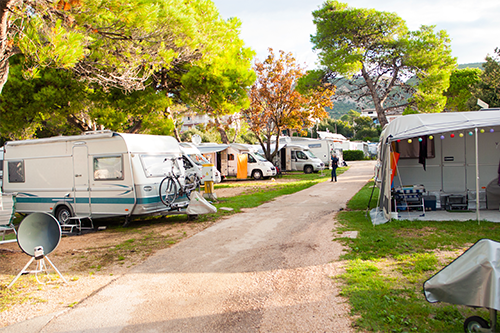
Why RV Parks and Campgrounds Face Serious Insurance Risks
A typical campground or RV park isn’t just one business. It’s several businesses running simultaneously on the same property. You might be operating:
- Guest cabins or glamping tents
- RV hookups for sewer, water, and electricity
- Public washrooms, showers, and laundry rooms
- Swimming pools, lakes, hiking trails, and playgrounds
- Campground fire pits and barbecue areas
- A snack bar or restaurant that serves alcohol
Each of those amenities is a separate liability exposure. And any one of them can generate a claim that costs your business tens of thousands of dollars or more. Common claims RV park and campground owners face include:
- Guest slip-and-fall injuries near pools, washrooms, or trails
- Fire damage to buildings, neighbouring sites, or guest property
- Damage to guest vehicles or RVs caused by your property or equipment
- Theft or vandalism of rental gear
- Extreme weather damage to structures and infrastructure
- Lawsuits from injured guests, including legal defence fees even if the claim is unfounded
Without insurance, a single incident can threaten your entire operation.
That’s why it’s essential for business owners to have a comprehensive campground and RV park insurance policy to help them manage and recover from unexpected losses.
What RV Park and Campground Insurance Should Include
A comprehensive campground insurance policy in Canada typically includes several core coverages. Here’s what each one does and why it matters.
General Liability Insurance
General liability insurance covers third-party bodily injuries and property damage that happen on your campground or because of your operations. Think: a guest slips on a wet dock, a child gets hurt on a playground, or a visitor’s car is damaged by a falling tree near your parking lot.
It covers injured guests’ medical expenses and damage to their property. And critically, if a guest sues you, it funds your legal defence even if the lawsuit turns out to be unfounded.
Product Liability Insurance
If you sell food, beverages, or any merchandise to guests, product liability insurance covers claims of bodily injury or property damage caused by those products. It’s typically bundled with general liability coverage, but worth confirming with your broker that it’s included.
Commercial Property Insurance
Commercial property insurance covers damage and losses to your buildings, business contents, inventory, and on-site equipment if caused by fire, water, natural disasters, theft, or vandalism. For campground owners, this includes everything from your main office and maintenance shed to your rental cabin fleet.
Business Interruption Insurance
Usually packaged with commercial property coverage, business interruption insurance replaces the income you lose if a covered event (like a fire) forces you to shut down temporarily. It also covers ongoing operational expenses while you’re closed: utility bills, loan payments, and employee wages.
For a seasonal business, a mid-summer closure can be catastrophic. Business interruption coverage is what keeps you afloat.
Equipment Breakdown Insurance
This covers the repair or replacement costs when campground equipment fails due to internal mechanical or electrical breakdown. That includes HVAC systems, commercial kitchen appliances, laundry equipment, water pumps, and office computers – the kind of failures that don’t show up in your commercial property policy.
Cyber Liability Insurance
More campground owners are taking online bookings, storing guest data, and running point-of-sale systems than ever before. That makes cyber liability insurance increasingly important. It covers expenses from data breaches and cyberattacks, including incident response, legal fees, breach management, and restoring your systems.
Commercial Crime Insurance
Commercial crime insurance covers losses from internal employee theft, including forgery, embezzlement, and computer or wire transfer fraud. It also covers the theft of cash or cheques while being transported off your property.
Additional Coverages RV Parks and Campgrounds May Need
Depending on your amenities, location, and operations, your policy may also need to include:
- Umbrella Liability Insurance
Commercial umbrella insurance kicks in when a liability claim exceeds the limits of your existing coverage. It’s an added buffer that’s often surprisingly affordable relative to the protection it provides. - Liquor Liability Insurance
If your RV park and campground has a restaurant or store that sells alcoholic beverages, you need liquor liability insurance as part of your policy. Liquor liability covers your liability for accidents or incidents caused by a guest who consumed alcohol purchased from you. - Commercial Auto Insurance
Own a shuttle vehicle, utility truck, or any vehicle used for campground operations? Your personal or standard commercial auto policy likely won’t cover it for business use. Commercial auto insurance fills that gap. - Pollution Liability Insurance
Septic tanks, wastewater systems, propane tanks, and dump stations all carry environmental risk. Standard general liability policies explicitly exclude environmental damage claims. Pollution liability insurance covers both sudden and gradual environmental damage, as well as third-party bodily injuries caused by these systems.
If you’re not sure what your RV park and campground insurance policy should include, speak to a licensed Zensurance broker who can review your operation and recommend the right coverage mix.
Insurance Coverage By RV Park and Campground Amenity
What you offer guests shapes what your policy needs to cover. Here’s a quick breakdown:
Swimming Pool
Pools carry slip-and-fall and drowning risks – two of the most serious liability exposures an RV park and campground can have. Make sure you have fencing and posted signage, documented supervision rules, and routine maintenance logs. These aren’t just good practices; insurers often require them.
Relevant coverage: General liability insurance.
Cabins, Glamping Tents, and Lodging Units
Structures guests sleep in are exposed to fire, accidental damage, and guest injury claims. Review your commercial property policy carefully to confirm these units are listed and covered. They’re sometimes overlooked.
Relevant coverage: General liability insurance and commercial property insurance.
How Much Does RV Park and Campground Insurance Cost in Canada?
There’s no single price for campground insurance. Every policy is priced based on the specific risks of your operation. Insurers look at factors including:
- Your location and the size of your property
- The number of campsites you operate
- On-site buildings, infrastructure, and amenities
- Whether you have a swimming pool, serve alcohol, or offer adventure activities
- Recreational equipment available to guests
- Whether you operate seasonally or year-round
- Number of employees
- Annual and projected revenue
- The coverage types and limits you choose
- Your claims history
The only accurate way to know what your policy will cost is to get a free quote. You can fill out an online application and get a quote in under five minutes.
How to Reduce Your Liability Risk (and Potentially Lower Your Premiums)
Proactive risk management keeps guests safer and can help keep your insurance costs down. Here’s what that looks like in practice:
- Do routine inspections and keep records. Walk your property regularly, including playgrounds, swimming pools, stairs, docks, hiking trails, septic systems, and water hookups. Document every inspection and repair. Insurers love paper trails, and courts do too.
- Install slip-resistant flooring in common areas, washrooms, and showers. Or apply a non-slip treatment to existing surfaces.
- Use guest waivers. Have guests sign waivers before renting equipment or participating in any organized activities.
- Manage fire risk proactively. Keep fire pits and barbecue areas well away from buildings. Ensure fire extinguishers, sand, and water are close by. Follow all regional fire restrictions and document your compliance.
- Install smoke and carbon monoxide detectors in all indoor spaces, with accessible fire extinguishers in every building.
- Communicate your rules clearly. Post campground rules in visible locations and include them in your booking confirmation.
- Keep your property clean and well-lit. Roads, parking lots, walkways, and entrances should be free of debris and properly illuminated.
- Provide proper RV hookups. Water and sewer connections that divert waste safely to your campground systems reduce environmental liability and keep guests from improvising.
- Train your staff. Every full-time and seasonal employee should know your emergency response procedures and have basic first-aid training. Document that training.
Frequently Asked Questions About RV Park and Campground Insurance in Canada
Is flood damage covered by RV park and campground insurance?
Usually not under a standard commercial property policy. Flood damage is typically excluded or handled under a separate overland flood endorsement. Don’t assume you’re covered. Confirm with your broker before the spring thaw or rainy season hits.
Does RV park insurance cover damage to guests’ RVs, trailers or camper vans?
Guest-owned vehicles are generally covered by the guest’s own insurance – not yours. However, if the damage is caused by a hazard on your property (a pothole, a falling branch, faulty electrical hookup), your campground could face a liability claim. General liability insurance is what covers that exposure.
Do I need special insurance for cabins or glamping units?
Yes, in most cases. Cabins, yurts, park models, and glamping tents may be included under commercial property insurance, but they’re not always automatically covered. Review your policy or have a broker confirm these structures are explicitly listed.
Is liquor liability insurance required for campgrounds in Canada?
It’s not always legally required, but if your campground sells or serves alcohol in any capacity, it’s effectively mandatory from a risk standpoint. Without it, you’re personally exposed to claims from incidents involving impaired guests who purchased drinks from you.
Can I get RV park and campground insurance if my business is seasonal?
Yes. Many insurers offer policies designed for seasonal operations, and your premiums will generally reflect the shorter operating window. Be upfront with your broker about your open and close dates so your coverage is structured accordingly.
Protect Your RV Park and Campground Before the Busy Season Starts
You provide your guests with a place to relax, reconnect, and enjoy the great outdoors.The right RV park and campground insurance helps protect your guests, property, income, employees, and reputation. You give your guests a place to slow down, spend time in nature, and make memories. The right RV park and campground insurance protects your property, guests, employees, and income.
Don’t head into your busiest season without knowing you’re covered.
Fill out our online application for a free campground insurance quote in under five minutes.
Our licensed brokers will shop more than 50 Canadian insurers to find the right policy for your operation, customize it to your needs, and make sure you’re protected before the first long weekend of summer.
Related Posts





Sign Up for ZenMail
"*" indicates required fields
Categories
Recent Posts

12 Tips for Buying the Right Business Insurance in Canada
61% of Canadian small business owners surveyed have no coverage at all. That's a gamble few can afford to take if something goes wrong. Here's how to buy the right business insurance, and avoid paying for what you don't need.
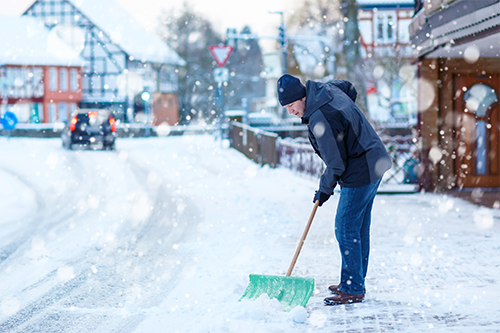
How to Write a Snow Removal Contract in Canada
Snow removal contracts do more than lock in the work. They define your scope, spell out who's liable, and get you paid on time. Here's what to include in your commercial and residential snow removal contracts before the first flake falls.
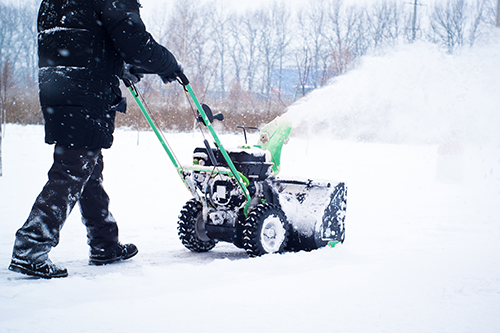
How Much Does Snow Removal Insurance Cost in Canada? (2026)
Snow removal and snowplow contractors need liability coverage in place before the first flake falls. Here's what snow removal insurance costs in Canada, what it covers, and how to keep your premium down.