
Most Canadian snow removal contractors pay somewhere between $1,800 and $3,800 a year for a commercial general liability policy with a $1 million limit. A handyperson clearing residential driveways can start near $1,800. A contractor with a truck and plow outside Ontario starts around $2,500. In Ontario, budget closer to $3,800.
Winter will soon arrive in Canada with all its teeth-chattering fury, and that means both opportunity for snow removal contractors and risk.
As temperatures drop, slip-and-fall claims rise. That’s why getting snow removal insurance before the first snowfall is crucial to protect your business, vehicles, and clients.
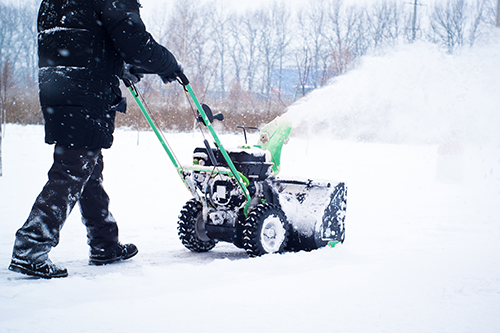
Farmers’ Almanac winter outlook for 2026-2027 predicts volatile weather conditions and a winter full of snow, sleet, and surprises. From rainy, windy weather along the B.C. coast to Arctic cold and blizzards across the Prairies, frequent snow and icy conditions around the Great Lakes, and an active mix of snow, sleet, freezing rain, and coastal storms across eastern Canada. A strengthening El Niño is the wild card, and it points to sharp swings between thaws and deep freezes. For your business, freeze-thaw cycles are the dangerous part. That’s what turns a cleared lot into a sheet of black ice overnight.
The Canadian Institute for Health Information (CIHI) counted roughly 291,000 acute inpatient hospitalizations for injuries across Canada in 2024-2025, up from 284,000 the year before. Falls and motor vehicle collisions are the leading causes. The sharpest jump was among people aged 65 to 84, a 6% increase driven by falls.
Read that last line again if you plow retirement residences, medical clinics, or condo properties. That’s your claims exposure in one sentence that you can be held liable for.
Liability insurance for the snow and ice removal business is considered high-risk. One reason insurance rates for businesses providing snow removal services are high is due to the surge of slip-and-fall claims and third-party bodily injury lawsuits. The good news? Rates vary a lot between insurers, and a broker who shops several of them can usually find you a better number than the first quote you’re handed.
How Much Does Snow Removal Contractor Insurance Cost in Canada?
Snow removal insurance in Canada typically starts between $1,800 and $3,800 a year, depending on where you operate, what you plow, and how big your operation is.
| Type of Operation | Where You Operate | Starting Annual Premium (CGL, $1M Limit) |
| Handyperson shovelling or plowing residential driveways and paths | Canada-wide | From $1,800 |
| One truck and plow, residential and light commercial | Outside Ontario | From $2,500 |
| One truck and plow, residential and light commercial | Ontario | From $3,800 |
What a policy costs snow removal companies depends on several factors about your operations that insurance providers weigh. Those factors include:
- The size of your snowplow business. A larger snow removal company with multiple vehicles and equipment suggests you’ve got a significant customer list. More jobs equals more risk.
- Your annual revenue. Like the size of your business, the more your organization earns, the greater the risk of liability claims.
- Years of experience. Experience works in your favour. A contractor with 10 seasons behind them is a different risk than someone plowing their first winter.
- Where you operate. Canada may be regarded as the land of ice and snow, but some regions experience more frequent and higher snowfall amounts than others. If you operate in a municipality that gets dumped on regularly throughout the winter months, it is likely to increase your premium. Ontario contractors also pay more than most, largely because of how litigation and slip-and-fall claims play out there.
- The types of snow removal contracts you have. It’s not just how many customers you have, but what kind of customers, that is an influencing factor.
For instance, the cost of insurance for providing snow and ice removal services at residential properties does not cost as much as doing the same work for large, commercial properties, like a parking lot at a big box retail outlet or a midsized commercial property like a coffee shop lot or drive-thru. - How many employees you have. The more employees you have, or if you subcontract out your snow removal services, the greater the chance of an accident or a liability claim against you occurring.
- Your insurance claim history. If yours is a claims-free snow removal business for more than six years, you may be less of a risk to insurers, which may help keep your premium low. Once you have a claim, it can impact your premium.
Two insurers looking at the same snow removal business can quote wildly different numbers. That’s why shopping the market matters more in this class than almost any other.
Get a Snow Removal Insurance Quote
Do You Need Insurance to Bid on Snow Removal Contracts in Canada?
Yes, in practice. Snow removal insurance isn’t legally mandated, but you won’t get far without it. Most property managers, municipalities, and commercial clients want a certificate of insurance in hand before they’ll sign anything.
Commercial contracts commonly ask for $2 million in commercial general liability coverage, and some municipal or institutional tenders push for $5 million. If you subcontract any part of your route, expect to be asked for certificates from your subs too, naming you as an additional insured.
What a ‘Hold-Harmless’ Clause Means for Your Business
When you sign a snow removal contract, property managers and landlords tend to push liability for slip-and-fall incidents on their properties onto you through a hold harmless clause.
That means if someone slips, falls, and gets hurt on a property you clear, or if you damage a client’s property, you’re the one paying for it. Not them. Read every contract before you sign, have a lawyer review it, and know that a hold-harmless clause you agree to is only as good as the coverage limit standing behind it.
What Liability Risks Do Snow Removal Contractors Face?
There are several liability risks snow removal contractors face, including:
- Slip and fall accidents that lead to third-party bodily injury claims
- Damage to your customers’ properties caused by the plows, snow blowers, and shovels you use (cracked pavement, torn-up sod, clipped bollards, and scraped garage doors are the usual suspects)
- Environmental damages arising from the use of road salt and de-icing chemicals that harm vegetation or contaminate water sources
- Traffic accidents in parking lots or on public or private roads while operating a snow removal plow
- Failing to fulfill contractual obligations with customers, like missing a service window during a storm
- Operating a snow removal business without insurance or with inadequate coverage
What Does Snow Removal Liability Insurance Cover?
A typical snow removal insurance policy may include the following coverages:
- General liability insurance to cover third-party bodily injury or property damage claims. This is the coverage your slip-and-fall claims land on, and the one your clients will ask to see.
- Commercial auto insurance to cover the cost of traffic accidents involving your business vehicles, including winter service vehicles and snowplows. Your personal auto policy will not cover a truck used for commercial plowing.
- Commercial property insurance to cover damages and losses to your company’s office, storage yard, office equipment and inventory caused by fire, water, natural disasters, theft, and vandalism.
- Tools and equipment insurance to protect your transportable tools if damaged by fire, water, a natural disaster, vandalism or if they’re stolen.
- Equipment breakdown insurance to pay for repair costs to your snow removal equipment because of mechanical or electrical malfunctions.
- Pollution liability insurance to cover risks and environmental liabilities resulting from your operations, such as the use of de-icing salt.
- Legal expense insurance to pay to hire an experienced lawyer to manage typical business requirements, like writing and reviewing customer contracts, or covering the cost of retaining legal counsel if facing a lawsuit.
6 Ways to Avoid Snow Removal Insurance Claims
Fewer claims is how you get a lower premium. These six habits do both.
1. Document Your Work (Keeping Accurate Records)
Complete pre-site inspections to assess where there may be existing damage. Take before and after photos and videos of every snow removal job you do. Keep a logbook on hand to accurately detail your work and when. Timestamp everything. When a claim shows up four months later, your log of what you salted and when is the difference between a defence and a payout.
2. Identify Potential Hazards Before Plowing
Identify, assess, and minimize potential dangers on the properties you’re clearing. Since slip-and-fall claims are common, strive to reduce the risk of them happening, particularly on properties or in areas such as public sidewalks and parking lots with significant pedestrian traffic. Flag drainage problems and low spots where meltwater refreezes, and tell the property owner in writing.
3.Advise Your Clients
Preventing slip-and-fall injuries is paramount. Help your clients help you by working together to prioritize taking preventative measures on their properties.
For example, provide them with a checklist of things to do to protect their customers and employees or residents, such as:
- Ensure employees wear appropriate footwear for winter conditions
- Provide adequate lighting and walkway markings in parking lots and sidewalks
- Use anti-slip mats indoor
- Clean up wet areas inside and place wet floor signs in those areas
4. Maintain Your Vehicles and Equipment
Be proactive in performing necessary maintenance of all snowplow vehicles and equipment. Invest in a defensive driving program for snowplow operators. Also, store your vehicles and equipment in a secure compound to prevent the likelihood of theft or vandalism.
5. Hire Experienced Operators and Train Your Employees
Hire experienced snow removal operators when possible and train your employees on the equipment they’ll use, whether veterans or newcomers. Also, have employees take a defensive driving course for driving in winter weather, and perform auto experience checks on new drivers.
6. Get It in Writing
Consult a lawyer to help write clearly defined customer contracts to ensure you’re not exposing yourself to more liability risk than your insurer will accept.
Frequently Asked Questions About Snow Removal Insurance in Canada
Do I need snow removal insurance if I only do residential driveways?
Yes. Even small residential snow removal jobs may expose you to slip-and-fall liability claims, especially on private property. A single fractured wrist on a driveway you cleared can turn into a claim worth more than a decade of premiums.
How can snow removal contractors reduce their insurance premiums?
Snowplow operators and contractors can take several actions to keep their annual premiums as low as possible, including performing regular maintenance on vehicles and equipment, keeping detailed service records, and ensuring all snow removal operators have been trained on defensive driving techniques.
Is snow removal insurance mandatory in Canada?
Although snow removal insurance may not be legally required, most municipalities, property managers, and your commercial clients will want to see proof of liability insurance before awarding you a contract. Some provinces may require your operations to carry $2 million of coverage to bid on contracts.
Does insurance cover slip-and-fall liability for snow removal operations?
Yes. Third-party bodily injury from a slip and fall is exactly what commercial general liability insurance is built for. It covers legal defence costs and any settlement or judgment up to your policy limit. Given how much of your risk sits here, a $1 million limit is often not enough for commercial work.
Does my landscaping insurance cover snow removal?
Not automatically. Snow and ice removal is usually rated as a separate, higher-risk operation. If you landscape in summer and plow in winter, tell a broker before the season starts so the winter work is properly declared. An undeclared operation is a denied claim waiting to happen.
Can I buy seasonal snow removal insurance just for the winter season?
Most policies are written on an annual basis rather than seasonally, though some insurance companies accommodate seasonal operations. Coverage that ends when the snow does can also leave you exposed to claims filed months after an incident, which is common with slip-and-fall injuries.
Do I need commercial auto insurance for my plow truck?
Yes, if the truck is used for your business. A personal auto policy typically won’t respond to a claim involving commercial plowing, and adding a plow blade is a modification your insurer needs to know about.
Get Low-Cost Snow Removal Insurance In Minutes
Your best option for finding low-cost snow removal insurance quotes is to partner with a broker to shop the market to find the coverage you need from several insurers.
Zensurance has 50+ Canadian insurance providers in its partner network, giving our brokers (and you) an edge in getting covered. We’re proud to serve hundreds of thousands of Canadian small business owners nationwide across hundreds of industries, including snow removal operations.
Fill out an online application to get a free quote. Our licensed brokers can advise you on what coverages to include in your policy and the coverage limits you’ll need to offset your business’s risks.
Snow is coming. Get covered before it does.
– Updated September 25, 2026.
Related Posts






Categories
Related Posts
How Much Is Commercial Vehicle Insurance in Canada?
The cost of commercial vehicle insurance in Canada varies by insurer. Here's what drives your rate, why business vehicles cost more to insure than personal ones, and how to keep your premium down.
Winter-Proofing Your Commercial Property: 10 Steps to Take Before the First Freeze
Don't let winter put your business property at risk. A few hours of prep in the fall can save you a five-figure repair bill in January. Here are 10 ways Canadian small business owners can safeguard their commercial property this season, and how commercial property insurance covers what prevention can't.

12 Tips for Buying the Right Business Insurance in Canada
61% of Canadian small business owners surveyed have no coverage at all. That's a gamble few can afford to take if something goes wrong. Here's how to buy the right business insurance, and avoid paying for what you don't need.