
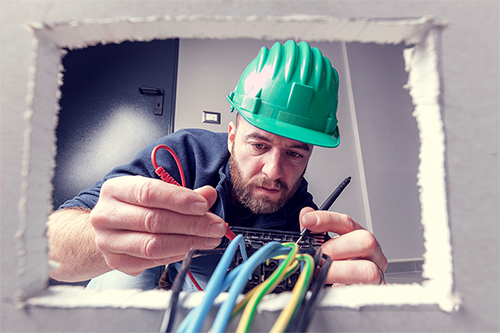
As an electrician, your expertise keeps homes, businesses, and industries running safely and efficiently.
Whether installing, repairing, or maintaining electrical systems, your work is critical but comes with risks. One mistake or accident could lead to costly damages, injuries, or legal claims from fire hazards to electrocution.
That’s why liability insurance isn’t just a good idea – it’s a requirement. Electricians in many provinces, like Ontario, must carry liability insurance to obtain and maintain their licenses. Without it, you’re leaving your business and livelihood exposed.
Here are eight types of insurance that a comprehensive electrician contractor insurance policy might include to protect their finances and reputations:

Related Posts





1. General Liability Insurance
General liability insurance covers third-party bodily injury and property damage claims. If an electrician’s work inadvertently injures a customer or passerby or damages a customer’s or neighbouring property, general liability covers the cost of the injured person’s medical expenses or repairing damaged property.
2. Professional Liability Insurance
Also called errors and omissions (E&O) insurance, professional liability insurance covers allegations or claims of professional negligence, faulty work, giving poor advice, or failing to deliver a service as promised.
3. Tools and Equipment Insurance
As its name implies, this type of insurance pays to replace or repair damages and losses to an electrician’s tools and equipment if stolen, vandalized, or damaged by fire, water, or a natural disaster.
4. Commercial Property Insurance
Commercial property insurance protects your business property, contents, and inventory from damages and losses caused by fire, water, natural disasters, theft, and vandalism.
5. Business Interruption Insurance
Business interruption may be included in a commercial property policy or added to one. You must have commercial property insurance to get business interruption coverage, as it is not a standalone policy. It covers an electrician’s lost income and other business overhead costs following an insurable property loss that temporarily closes your business for repairs.
6. Cyber Liability Insurance
Cyber liability insurance is a must-have if an electrician business or independent electrician has a website, uses email, accepts digital payments, or stores confidential customer information on a server or in the cloud. It helps businesses recover from data breaches and cyber incidents.
7. Commercial Auto Insurance
Commercial auto insurance covers damages to business vehicles, including utility vans, pickup trucks, SUVs, cars, and trailers. Commercial and personal auto insurance policies offer coverage for vehicles, but they vary substantially in terms of coverage, eligibility requirements, and intended use depending on the province where you reside and operate.
8. Pollution Liability Insurance
Although not necessarily a legally required coverage, pollution liability insurance covers sudden or gradual third-party bodily injury and property damages that result from environmental damage caused by your work. It pays for cleanup costs, civil fines, and emergency response fees.
What Skilled Trades Professionals Need Electrician Insurance?
Many skilled trades professionals do electrical work. These are the professions that should have electrician insurance:
- Commercial electricians
- Residential electricians
- Electrical technicians
- Electrical contractors
- Electrical repair technicians
- Lighting technicians and installers
- HVAC technicians
- Industrial electricians
- Solar panel electricians
- Telecommunications electricians
Minimizing Risks: Tips for Electricians
Safeguarding your finances and reputation, preventing injuries and accidental property damage (and keeping your annual insurance premium as low as possible) can be achieved by taking preventative measures to lower the risks you face.
Here are a few tips for electricians to consider:
Follow recommended safety standards
By remaining informed about the most recent safety regulations and codes, you can ensure that your work adheres to or surpasses industry best practices and safety standards.
Wear personal protective equipment (PPE)
Always wear personal protective equipment (PPE), such as insulated gloves, safety glasses and flame-resistant clothing while working.
Thoroughly inspect worksites
Before beginning any electrical work, inspect the worksite for potential hazards such as faulty equipment, damaged wiring, and unsafe conditions.
Prioritize safety training
Participate in ongoing safety training and prioritize safety by ensuring you and your team take part in regular safety training. Be aware of potential risks, safety protocols, and emergency procedures for every project.
Clearly label wiring and circuitry
Ensure all electrical panels, wires, and circuits are clearly labelled. This will help prevent mistakes and confusion during future work on the system and make troubleshooting and maintenance much easier.
Use Ground Fault Circuit Interrupters (GFCIs)
When working in areas where there is a high risk of electric shock, such as near water, use Ground Fault Circuit Interrupters (GFCIs) for increased protection.
Restrict access to electrical panels
Restrict access to electrical panels and other high-voltage areas to authorized personnel only to prevent accidents and unauthorized modifications.
Test gear and conduct routine maintenance
Before beginning any electrical work, always use the proper testing equipment, such as multimeters, to check for faults or irregularities. Additionally, routine inspections and maintenance of the electrical systems should be scheduled to identify and resolve any potential problems to prevent them from becoming major issues.
Keep a tools and equipment inventory
To safeguard valuable tools and equipment, mark them with a permanent identifier like engraving or paint. Keep a digital inventory with photos, descriptions, and serial numbers, and back it up using encrypted cloud storage. When leaving tools at a job site overnight, store them in secure, purpose-built lock boxes hidden from view.
Powering Up Protection: Get Low-Cost Electrician Insurance
Get the low-cost, comprehensive electrician insurance you need quickly and easily through Zensurance.
We help protect hundreds of thousands of Canadian business owners and independent professionals across hundreds of industries, ensuring they’re resilient and recover from accidents and events beyond their control. We can help your business, too.
Fill out our online application now for a free quote.
Our team of knowledgeable insurance brokers will guide you through the process, helping you understand the coverage options, customize it to suit your specific requirements, and issue a certificate of insurance in 24 hours or less so you can concentrate on keeping the lights on.
Recent Posts

What You Need to Know About Vacant Commercial Property Insurance
An empty building isn't a safe building. Vandalism, burst pipes and liability claims don't stop when your tenant moves out – and your existing policy may stop covering them. Here's how vacant commercial property insurance fills the gap.

What Is Short-Term Rental Insurance for Airbnb and VRBO Hosts in Canada?
Insurance companies treat homesharing as a commercial activity, which means your homeowner policy likely won't cover you when a guest checks in. Here's what Airbnb and VRBO hosts in Canada need to know about short-term rental insurance and the gaps it fills.

What Insurance Does a Home-Based Bakery in Canada Need?
Your homeowner's policy almost certainly won't cover your cupcakes. Here's what home-based bakery insurance includes, what it costs, and why product liability is the coverage you can't skip.
Sign Up for ZenMail
"*" indicates required fields