
There was a time when a weeklong heatwave in the summer was a bit of a treat in Canada. Those days are long gone. Heatwaves and stretches of sweltering temperatures now pose significant risks to small business owners everywhere in the country.
But unlike during the frigid winter months when business owners plan for burst water pipes or icy walkways that could injure customers, hot weather is easy to underestimate.
There are plenty of reasons to take extreme heat seriously:
- Declining productivity and health complications for employees experiencing heat exhaustion
- Essential machinery, computing systems, and office equipment overheating
- Delays and disruptions across your supply chain
- Sudden power outages and electrical grid failures
- An elevated risk of fires
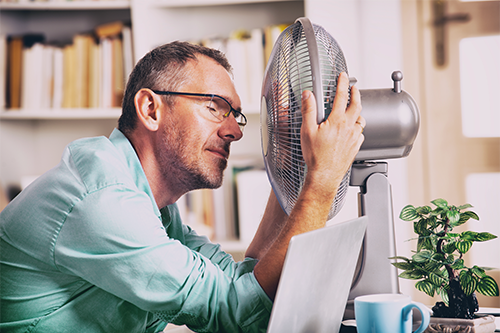
With planning and preparation, these risks can be reduced. This brief guide covers what business owners can do to safeguard their operations when the thermometer shoots upward, and how business insurance can help them recover from incidents that occur during heatwaves.
What Risks Do Heatwaves Pose to Small Businesses?
Heatwaves intensify employee safety, operational, property, financial, and legal risks for small businesses. While impacts vary by industry, they affect outdoor trades, restaurants, retailers, property managers, and offices alike because of:
- Customer and visitor liability risks
- Business interruptions
- Damage to commercial property and equipment
- Employee heat illnesses and injuries
- Reduced productivity
- Increased chance of workplace accidents
- Reputational damage
Heatwave risk is rarely a single event. It’s worker safety issues, operational disruption, equipment strain, customer liability, and unexpected costs all hitting at the same time.
How Can You Protect Employees During a Heatwave? 10 Practical Steps
According to the Canadian Centre for Occupational Health and Safety (CCOHS), employers in Canada must take every reasonable precaution to protect workers from foreseeable hazards, including extreme heat.
Employment and Social Development Canada also flags the risk of “thermal stress” in workplaces – heat stress or cold stress, either of which occurs when the core body temperature is no longer maintained at 36 to 37°C.
Here are 10 straightforward steps business owners can take to deal with sweltering temperatures during heatwaves:
1. Monitor Heat Alerts Daily
Regularly check the Government of Canada’s weather information alerts, local public health updates, and provincial emergency notices. Heat warnings are issued when forecast temperature or humidex levels could affect health, and thresholds can vary by region.
2. Draft a Heatwave Response Plan
Identify who is responsible for monitoring alerts, changing work schedules, communicating with staff, checking vulnerable workers, responding to medical emergencies, and documenting incidents.
3. Assess Workplace Heat Risks
Evaluate outdoor assignments, construction sites, warehouses, kitchens, manufacturing floors, delivery routes, and vehicles. Don’t forget heat-generating equipment, poorly ventilated areas, and PPE requirements. The CCOHS notes that workplace heat exposure should be assessed based on actual conditions in the work area, not just public weather reports.
4. Adjust Schedules and Workloads
Shift physically strenuous tasks to the cooler early morning or evening hours, rotate employees performing high-heat duties, ease the work pace, delay non-essential heavy tasks, and offer remote or hybrid work alternatives when practical.
5. Provide Water, Cooling Areas, and Rest Breaks
The recent 2026 World Cup soccer tournament introduced hydration breaks for players this summer. Think of your employees as your team’s players. Set up cool drinking water stations, shaded or air-conditioned recovery areas, fans or ventilation where appropriate, and more frequent breaks.
6. Train Employees to Recognize Heat Illness
The CCOHS advises staff and supervisors to know the signs of heat exhaustion, including heavy sweating, weakness, dizziness, intense thirst, nausea, headache, muscle cramps, breathlessness, and palpitations. Left unaddressed, heat exhaustion can progress to heat stroke.
7. Heat Stroke Is an Emergency. Treat It That Way
If an employee or customer shows signs of heat stroke, call 911, move the person to a cool area, remove excess clothing, and cool the person while waiting for help. Health Canada states that heat stroke is a medical emergency.
8. Use the Buddy System
Certain individuals, including outdoor workers, new hires, older staff, pregnant employees, people with pre-existing health issues, and those wearing heavy PPE, may be at greater risk. Establish routine check-ins and make it clear staff can report heat-related symptoms without fear of reprisal.
9. Protect Business Operations and Property
Ensure your operations and property are protected by servicing HVAC systems, inspecting refrigeration units, and securing IT server rooms against overheating. Also, safeguard temperature-sensitive stock, test emergency backup power, modify delivery windows, and prepare for supply-chain delays or electrical outages.
10. Review Occupational Health and Safety Requirements
Occupational health and safety rules vary by province. Confirm the rules that apply to your province and industry.
What Business Insurance Covers Heatwave Damage?
No single insurance policy covers heatwave damage. Instead, a comprehensive business insurance policy combines several coverages to address the different risks extreme heat creates.
At a minimum, a policy built to handle extreme heat includes:
Commercial Property Insurance
Covers damage to your commercial building, property, and inventory caused by fire, water, natural disasters, theft, and vandalism.
General Liability Insurance
Covers third-party bodily injuries and property damage that occur on your premises or due to your regular operations. For instance, if a customer visiting your store collapses due to heat exhaustion, they could file an injury claim against you.
Business Interruption Insurance
If your workplace and operations are forced to close temporarily for repairs following an insurable loss – like a fire – business interruption coverage can pay for lost income, utility bills, rent and employee payroll. You must have commercial property insurance to get this coverage.
Equipment Breakdown Insurance
Covers your equipment and machinery if they malfunction because of internal damage, such as an electrical or mechanical failure. For example, if your air conditioner quits during a heatwave, this insurance may pay to repair or replace it.
Employers’ Liability Insurance
Provincially administered workers’ compensation covers workplace illnesses and injuries to employees. However, employers’ liability insurance may cover employee-related claims for injuries or illnesses that your provincial workers’ compensation board doesn’t cover.
Tools and Equipment Insurance
Repairs or replaces your portable tools and equipment if they’re lost, stolen, vandalized, or damaged by fire or flood. Anything valued over $2,500 is considered equipment (like heavy vehicles); anything below that is a tool (like power and hand tools).
Frequently Asked Questions About Operating During Heatwaves in Canada
What types of businesses are most exposed to heatwave risks?
Businesses with manual labour or outdoor operations – roofers, landscapers, construction contractors, food trucks, mobile services, and event vendors – face the highest risk. However, indoor establishments can be equally vulnerable: restaurants, commercial kitchens, warehouses, gyms, manufacturing facilities, retail shops, salons, bakeries, or any workplace without dependable ventilation and air conditioning.
Can customers or visitors create liability risks during heatwaves?
Yes. If a customer, tenant, visitor, event attendee, or delivery person suffers a heat-related illness on your premises and alleges you failed to provide a reasonably safe environment, your business could face a legal claim.
Does liability insurance cover employees who suffer heat illness at work?
Not usually. Employee workplace illnesses and injuries are covered by your provincial workers’ compensation insurance. Business owners can add employers’ liability insurance to their policies to cover claims or lawsuits from current and former employees and their families if they sue for damages.
Does insurance cover spoiled inventory or damaged equipment during a heatwave?
Liability insurance doesn’t, but spoiled food or perishable inventory, overheated equipment, and HVAC breakdowns are typically covered by commercial property insurance and equipment breakdown insurance. Speak to a Zensurance broker if you have questions about what your policy should include.
Is Your Small Business Protected? Get a Free Business Insurance Quote
Protecting your business or profession from lawsuits and claims against you is easy through Zensurance.
Fill out our online application in less than five minutes for a free quote.
Our licensed brokers will shop our network of 50+ insurance providers to find the right protection to suit your needs and budget, customize it, and issue your policy documents and a certificate of insurance quickly.

Related Posts






Recent Posts

6 Real Cyber Insurance Claims Canadian Small Businesses Filed in 2026
Phishing, ransomware, and DDoS attacks keep evolving, and Canadian small businesses are squarely in cybercriminals' crosshairs. Here are six real claims we helped clients recover from – payouts from $25,000 to more than $250,000 – and what they mean for your business, whatever industry you're in.

What Type of Insurance Do Software Developers Need?
Software developers build the systems everything else runs on, and carry the liability when something breaks. Here's the coverage Canadian devs, freelancers, and dev shops actually need, and what each policy does when a claim lands.
How Much Is Commercial Vehicle Insurance in Canada?
The cost of commercial vehicle insurance in Canada varies by insurer. Here's what drives your rate, why business vehicles cost more to insure than personal ones, and how to keep your premium down.