
General contractors and builders frequently lease equipment to tackle the projects they manage, but what happens when rented gear and heavy equipment are damaged or stolen? After all, you’re responsible for returning the equipment you rent in the condition it was in when you took possession of it.
That’s what insurance for leased equipment is for: to repair or replace the mobile equipment and machinery you rent, borrow, or lease if it’s vandalized, stolen, lost, or damaged because of a fire or flood. Equipment rental companies will want to see your certificate of insurance that lists them as a loss payee to ensure your lease from them is covered while their equipment is in your care, custody, and control.
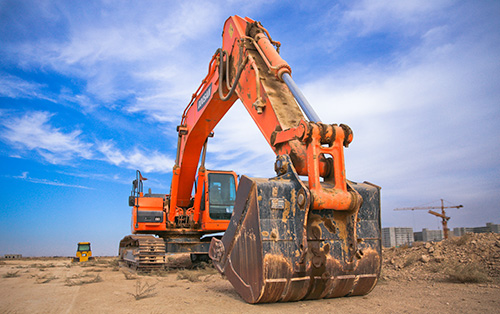
You might be surprised to learn some types of equipment are not automatically protected by a contractor’s typical commercial property policy. While commercial property coverage is necessary and valuable for protecting your equipment up to your policy’s coverage limits, it only applies to equipment at a specific location (like your office or warehouse).
Some mobile equipment or tools you travel with to different locations may not fall under the protection of commercial property insurance. So, for items such as bulldozers, backhoes, concrete mixers, hand tools, generators, and safety gear, you need to include tools and equipment insurance in your policy.

Related Posts




Categories
What Is Tools and Equipment Insurance?
Tools and equipment insurance – sometimes called inland marine insurance – is essentially property coverage, but it’s designed to protect mobile equipment, machinery, and portable tools. A comprehensive contractors’ insurance or construction insurance policy usually includes tools and equipment coverage, but if it doesn’t, you can add it to your policy as an endorsement.>
Who Needs Tools and Equipment Insurance, and What Does It Cover?
Any professional who hauls tools and equipment to do their jobs to different locations should protect those items, including:
- Carpenters
- Construction industry professionals
- Contractors and renovation experts
- Electricians
- HVAC service technicians
- Janitors and professional cleaners
- Landscapers
- Plumbers
A tools and equipment insurance policy covers the cost of repairing or replacing several types of tools and equipment if they’re stolen, vandalized, lost or suffer water or fire damage, whether those items are owned by you or are borrowed, leased, or rented, including:
- Hand and power tools
- Safety gear and hearing protection
- Measurement devices
- CNC routers
- Power generators
- Ladders and workbenches
- Concrete mixers
- Saws and sanding tools
- Bulldozers
- Excavators
- Backhoes
- Blowtorches
What Isn’t Covered by Tools and Equipment Insurance?
A tools and equipment policy won’t provide financial support for tools or equipment that are past their useful lifecycle, items that are intentionally damaged, if the cause of damage or loss is outside the scope of the policy’s coverage terms or because of wear and tear.
Get Tools and Equipment Insurance in Minutes, Not Days
Protect your livelihood by protecting your tools and equipment from all that could go wrong.
Fill out an online application for coverage from Zensurance. With over 50 insurance providers in our partner network, we can get the protection you need quickly and affordably.
Sign Up for ZenMail
"*" indicates required fields
Recent Posts

What Is Commercial General Liability (CGL) Insurance? A Guide for Canadian Small Businesses
A customer trips at your front door. A job goes sideways and floods a client's basement. Here's how commercial general liability (CGL) insurance protects your business from claims like these, what it costs, and how to get covered in minutes.

Workers’ Compensation vs Employers’ Liability Insurance: What’s the Difference?
Workers' comp and employers' liability insurance both deal with workplace injuries, but they're not interchangeable. Here's how each one works, who needs it, and why many Canadian small businesses carry both.

What Is Small Business Insurance (And Do You Need It?)
From liability lawsuits to fire damage, here's what small business insurance covers, what it costs in Canada, and how to tell if your business needs it.