
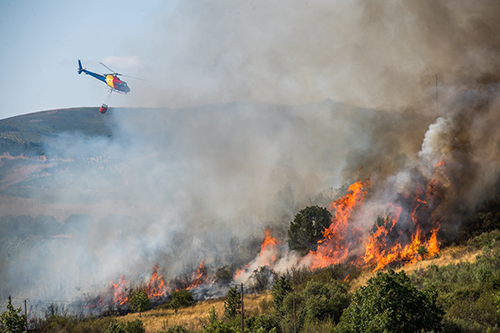
Wildfires aren’t just a western Canada problem anymore.
They’re burning longer, spreading faster, and showing up in provinces that rarely dealt with them a decade ago. For small business owners, that means the threat to your commercial property is more real and more urgent than ever before.
Wildfire season officially runs from April 1 to October 31. According to the Canadian Forest Service, 2025 was the second-worst wildfire year on record in Canada, with more than 6,000 fires burning over 8.3 million hectares, scorching land in nearly every province.
That’s not a trend. That’s the new reality.
The good news? There’s a lot you can do to prepare. The hard truth: no amount of prep fully eliminates the risk, and that’s exactly why the right business insurance coverage matters.


Related Posts




Sign Up for ZenMail
"*" indicates required fields
Categories
What Can Small Businesses Do to Protect Their Properties From Wildfires?
You can’t stop a wildfire. But you can make your property a harder target, and have a plan when the worst happens. Here’s what wildfire preparedness looks like for a small business:
Monitor Conditions in Your Region
Stay on top of weather and drought conditions in your area. Every provincial government publishes wildfire updates:
- Alberta
- British Columbia
- Manitoba
- New Brunswick
- Newfoundland and Labrador
- Nova Scotia
- Ontario
- Prince Edward Island
- Quebec
- Saskatchewan
For more loss prevention strategies, download our free guide: How to Protect Your Business Property in the Era of Climate Change.
Maintain Equipment and Upgrade Your Building
Service your gas-powered equipment and vehicles regularly. A spark from a poorly maintained engine can ignite dry brush in seconds. If you’re planning any renovations, prioritize fire-resistant materials: metal roofing, non-combustible siding, and fire-rated windows can make a significant difference in how your building holds up.
Create Defensible Space Around Your Property
- Clear dried debris, leaves, and dead vegetation from around the building
- Clean out gutters and eavestroughs regularly
- Keep combustible materials, such as propane tanks, wood piles, chemicals, at least 10 metres away from your building
- Trim trees, shrubs, and grass, and keep plants at least 2 metres away from your foundation
Check Your Safety Systems
Test your smoke alarms, carbon monoxide detectors, and interior sprinkler system at least twice a year, and don’t wait until fire season to find out something isn’t working.
Back Up Your Business Data
Don’t overlook your digital assets. Back up critical business data regularly and store copies both in the cloud and at a secure offsite location. If your physical location is destroyed, your data shouldn’t be.
Get Involved in Your Community
Connect with neighbouring businesses, participate in local wildfire preparedness programs, and work with your local fire department on damage prevention. Wildfire resilience is a community effort, and businesses that plan together recover faster.
Have a Business Continuity Plan
If you’re ordered to evacuate, where does your business go? A business continuity plan outlines how you’ll keep operating, or safely pause operations, if you’re forced to temporarily relocate. It should cover staff communication, remote work capabilities, key supplier contacts, and access to your financial records.
Additional Resources for Canadian Small Businesses
Before, during, and after a wildfire, these Canadian resources are worth bookmarking:
- Get Prepared: The federal government’s emergency preparedness hub for Canadians
- The Canadian Red Cross: Wildfire information, emergency support, and recovery resources
- Natural Resources Canada: Interactive wildfire map updated regularly
- FireSmart Canada: Property and community risk-reduction tips, plus a real-time wildfire map (operated under the Canadian Interagency Forest Fire Centre)
How Does Business Insurance Protect You From Wildfire Damage?
Running a business without insurance isn’t just risky, it’s a gamble you can’t afford to lose.
Wildfires can wipe out your physical location, destroy your inventory and equipment, and force you to shut down for weeks or months. Without the right coverage, you’re paying for all of that out of pocket – or you’re not recovering at all.
A client of ours, a spa owner in western Canada, was ordered to evacuate during a wildfire. Their commercial property and contents were severely damaged. Because they had a business insurance policy that included business interruption coverage, over $150,000 in losses were covered. They recovered. They reopened.
For wildfire protection, your policy should include:
- Commercial property insurance: Covers physical damage to your building, equipment, and inventory.
- Business interruption insurance: Replaces lost income while you’re unable to operate.
- General liability insurance: Protects against third-party claims that could arise during or after a disaster.
Frequently Asked Questions About Wildfires and Insurance in Canada
Does business insurance cover wildfire damage in Canada?
Yes. A business insurance policy that includes commercial property insurance and business interruption insurance can cover the cost of repairing or rebuilding your property, replacing lost equipment and inventory, and compensating for income lost while your business is unable to operate.
When is wildfire season in Canada?
Wildfire season in Canada officially runs from April 1 to October 31, though fires can occur outside that window depending on drought and weather conditions.
What is business interruption insurance?
Business interruption insurance covers lost income if your business is ordered to temporarily close or relocate due to a covered event, such as a wildfire. It’s a critical add-on to any commercial property insurance policy.
Get a Free Insurance Quote and Protect Your Small Business
Wildfire season started April 1. If you don’t have the right coverage in place, now is the time to act.
Zensurance makes it easy to get affordable, comprehensive business insurance tailored to your industry and budget. Here’s how it works:
- Fill out our quick online application to get a free quote (it takes 5 minutes or less).
- Our experienced brokers shop 50+ insurers to find the best coverage for your needs.
- Get covered before wildfire season hits its peak.
Wildfire season doesn’t wait. Neither should you. Business insurance is a vital component for ensuring your company is ready to withstand events beyond your control.
– Updated April 8, 2026.
Recent Posts

What Insurance Does a Cybersecurity Consultant Need?
Cybersecurity consultants in Canada typically need four coverages: professional liability (errors and omissions), cyber liability, commercial general liability, and business contents insurance. The reason is simple. Clients blame the person who told them they were secure.

6 Real Cyber Insurance Claims Canadian Small Businesses Filed in 2026
Phishing, ransomware, and DDoS attacks keep evolving, and Canadian small businesses are squarely in cybercriminals' crosshairs. Here are six real claims we helped clients recover from – payouts from $25,000 to more than $250,000 – and what they mean for your business, whatever industry you're in.

What Type of Insurance Do Software Developers Need?
Software developers build the systems everything else runs on, and carry the liability when something breaks. Here's the coverage Canadian devs, freelancers, and dev shops actually need, and what each policy does when a claim lands.