
If you own commercial property and rent it out, you’ll eventually have a stretch with no tenant in it. A lease ends, a business folds, a sale drags on. It happens.
The problem is what happens to your insurance while the building sits empty. Most standard commercial property policies restrict or drop coverage once a building has been vacant past a set number of days – and that’s usually the moment your risk is highest. Vacant commercial property insurance closes that gap.
What Is Vacant Commercial Property Insurance and Why Is It Important?
Vacant commercial property insurance is specialized coverage for a commercial building that’s empty, mostly empty, or no longer being used for its normal business purpose.

If you own commercial property and rent it out, you’ll eventually have a stretch with no tenant in it. A lease ends, a business folds, a sale drags on. It happens.
The problem is what happens to your insurance while the building sits empty. Most standard commercial property policies restrict or drop coverage once a building has been vacant past a set number of days – and that’s usually the moment your risk is highest. Vacant commercial property insurance closes that gap.
What Is Vacant Commercial Property Insurance and Why Is It Important?
Vacant commercial property insurance is specialized coverage for a commercial building that’s empty, mostly empty, or no longer being used for its normal business purpose.
It matters because traditional commercial property insurance policies often restrict or cancel protection once a building remains empty beyond the insurer’s stated limit – leaving you exposed on a property you still own and are still responsible for.
An empty building faces two kinds of risk: physical damage to the structure and its contents, and liability claims from anyone who gets hurt on the premises. Most vacant property policies cover both by pairing commercial property insurance with commercial general liability insurance.
You can buy it as a standalone policy or add a vacancy permit or endorsement to your existing commercial property insurance. A permit is usually the cheaper route for a short vacancy; a standalone policy makes more sense when the building will be empty for months.
What Risks Do Vacant Commercial Properties Face?
Whatever the reason your building is empty – you’re selling it, hunting for a tenant, or closed for renovations – the risk doesn’t pause. An unoccupied building is a target, and nobody’s there to catch a problem early. The most common exposures:
- Fire, with no one on site to notice it or call it in
- A burst or leaking pipe that goes undetected for days or weeks
- Vandalism, graffiti or a break-in
- Severe weather damage from lightning, wind or hail
- Squatters moving in without your knowledge
- Theft of copper wiring, HVAC units and other building fixtures
- Slip-and-fall or injury claims from trespassers and passersby
Most of these have one thing in common: time. A leak in an occupied building gets noticed in an hour. In an empty one, it runs for three weeks.
Is There a Difference Between Vacant and Unoccupied Property?
Yes. Insurers define vacant and unoccupied properties differently, and the distinction affects your coverage.
A vacant property has no tenant, no business operations and no meaningful contents inside. An unoccupied property is still furnished, stocked and ready to use – there’s just nobody in it right now. Think of a seasonal business closed for the off-season.
Vacancy is generally treated as the higher risk of the two, so it triggers tighter restrictions. Check which term your policy uses and how it defines it, because the wording is what your claim will be judged against.
What Does Vacant Commercial Property Insurance Cover?
Coverage varies by policy, but a vacant property program is usually built from some combination of:
- Commercial property insurance for the building itself, plus any contents, fixtures or equipment left inside
- Commercial general liability insurance for third-party bodily injury and property damage claims
- Equipment breakdown coverage if machinery, HVAC or a boiler is still on site
- Builder’s risk insurance if the building is being renovated or redeveloped while empty
Vacant property policies also tend to carry conditions rather than just exclusions – things like maintaining heat, shutting off the water, or documenting regular site inspections. Miss one and a covered loss can turn into a denied claim, so read that section of the wording closely.
Do I Need Property Insurance for Vacant Land?
Yes, if you own it, you’re responsible for what happens on it. Even if the land you own has no existing structures or buildings, it’s wise to carry coverage for third-party bodily injury and property damage claims.
Sometimes called vacant lot insurance, this coverage responds when someone is injured on your land – a trespasser, a dirt biker, a neighbour’s kid cutting across the property.
Vacant land is often cheap to insure, which makes skipping it a poor trade. A single injury claim can cost more than decades of premium.
Do I Need Vacant Rental Property Insurance?
If you host on Airbnb or VRBO and own a second or seasonal dwelling, yes – and it works the same way. When you have no bookings and you aren’t staying there yourself, the property is unoccupied, and your policy may treat it that way.
Tell a licensed broker about the vacancy, and consider adding vacant property coverage to your Airbnb or VRBO insurance so the dwelling stays properly insured between guests.
Will a Landlord Insurance Policy Cover a Vacant Property?
Generally, no. If you own a commercial property or a residential building used for student housing, your landlord insurance policy or student rental housing insurance typically won’t cover the building once it’s vacant.
That leaves you with a gap the moment a tenant moves out and the premises sit empty past the number of days your policy specifies. Adding vacant property coverage closes it.
One exception worth knowing: if a tenant breaks the lease unexpectedly and vacates the premises – say the business folds and the company ceases to exist – your landlord policy may cover the rental income you lose while you pursue your former tenant for damages.
10 Tips for Protecting a Vacant Commercial Property
A vacant building doesn’t have to be a claim waiting to happen. These 10 steps cut your risk, and several of them may be conditions your insurer requires anyway:
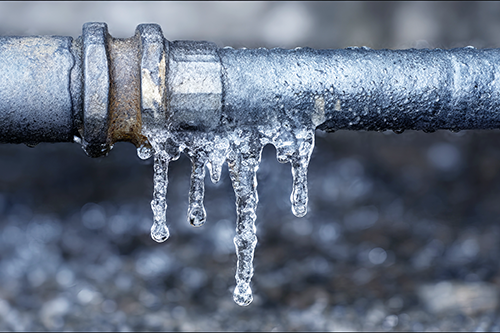
- Shut off the water, or keep the heat above freezing. Frozen and burst pipes are among the most expensive vacant-building claims in Canada, and there are two ways to prevent them: drain and shut off the water supply entirely, or maintain heat through the winter. Draining is the safer bet for a long vacancy. Whichever you choose, check your policy – many require a minimum temperature or documented winterization as a condition of coverage.
- Install a 24/7 security monitoring system for the interior and exterior surveillance cameras to monitor the perimeter.
- Keep the property maintained year-round. In winter, hire a snow removal contractor to clear the driveway, sidewalk and entrance. In warmer months, hire a landscaping company to cut the lawn, trim shrubs and trees, and clear any garbage. A neglected-looking property attracts both trespassers and liability claims.
- Inspect the property regularly – every 48 hours is a good target – to check for vandalism, signs of a break-in or interior damage, and to collect any mail. Log each visit. Some policies specify an inspection schedule, so confirm yours.
- Remove anything worth stealing. Tools, equipment, inventory and loose copper are what draw break-ins in the first place.
- Keep the blinds or curtains closed but leave a light on inside to suggest someone may be there.
- Hire a private security company to help monitor the property.
- Erect temporary fencing around the property if it’s being renovated or is unsafe to enter.
- Test your fire detection system and confirm it’s in working order – then notify your insurance broker that the property is vacant. That last one isn’t optional: undisclosed vacancy is grounds for a denied claim.
- Keep proof of everything. Photograph the property at each inspection, keep receipts from your snow removal and landscaping contractors, and save your security monitoring records. If you ever file a claim, this is what shows you met your policy conditions.
Frequently Asked Questions About Vacant Building Insurance in Canada
What does vacant commercial property insurance cost?
There’s no flat rate, because vacancy itself is a rating factor and insurers price it building by building. Location, size, age and condition all feed in, along with how long the space has been empty, why it’s empty, your claims history and the limits you choose. The fastest way to find out is to get a free quote in minutes.
How long can a commercial building be vacant before my coverage changes?
It depends on your policy, but 30 consecutive days is the most common trigger. Some policies act sooner. Once you cross that threshold, coverage for things like vandalism, glass breakage and water damage is usually the first to go, even though the policy technically stays in force. Find the vacancy clause in your wording and note the number. If the building is already past it, call your broker today rather than at renewal.
Who’s liable if someone is injured on my vacant property?
You usually are, as the property owner – and that holds even when the person wasn’t invited. Trespassers, kids using an empty parking lot, someone slipping on an uncleared sidewalk: all of it can land as a third-party bodily injury claim against you. Commercial general liability coverage is what responds, and it’s a big part of why vacant buildings still need insuring.
Do I need insurance on a building that’s scheduled for demolition?
Yes. Until the building comes down and the site is cleared, you still own a structure that can burn, collapse, attract trespassers or injure someone. Coverage needs may narrow – insuring the structure’s full replacement value makes little sense if it’s coming down next month – so tell your broker the demolition timeline and let them structure it accordingly.
Get Vacant Commercial Property Insurance Online in Minutes
Protect your commercial building with a vacant property insurance policy.
Fill out our online application to get a free quote in minutes.
Our licensed brokers do the shopping for you across a network of 50+ Canadian insurers to find the right coverage at the right price.
– Updated September 14, 2026.
Related Posts






Categories
Recent Posts
Winter-Proofing Your Commercial Property: 10 Steps to Take Before the First Freeze
Don't let winter put your business property at risk. A few hours of prep in the fall can save you a five-figure repair bill in January. Here are 10 ways Canadian small business owners can safeguard their commercial property this season, and how commercial property insurance covers what prevention can't.

12 Tips for Buying the Right Business Insurance in Canada
61% of Canadian small business owners surveyed have no coverage at all. That's a gamble few can afford to take if something goes wrong. Here's how to buy the right business insurance, and avoid paying for what you don't need.

How to Write a Snow Removal Contract in Canada
Snow removal contracts do more than lock in the work. They define your scope, spell out who's liable, and get you paid on time. Here's what to include in your commercial and residential snow removal contracts before the first flake falls.