
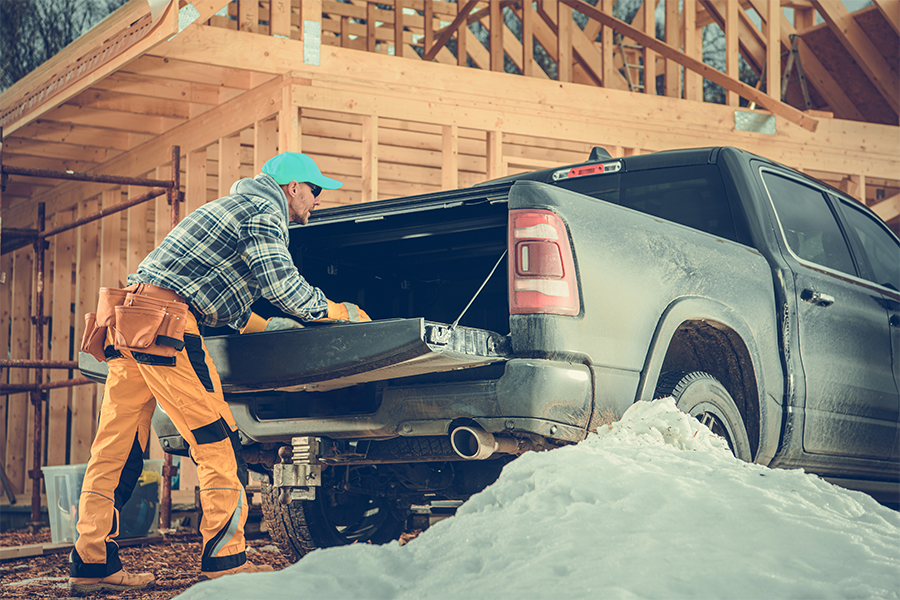
Harsh Canadian winters bring snow, ice, freezing rain, and unpredictable road conditions, which significantly increase the risk of vehicle accidents and costly liability claims for small business owners with commercial vehicles.
If your company depends on vehicles for deliveries, client visits, or transporting goods, commercial auto insurance is essential. It protects your business financially if one of your vehicles is involved in an accident or causes damage to another person’s property.
Many personal car insurance policies exclude or limit coverage for vehicles used for work purposes. Without proper coverage, you could be left paying out-of-pocket for expensive repairs, medical costs, or lawsuits.
Related Posts





Categories
The Biggest Winter Driving Hazards Facing Small Businesses
There are several winter driving hazards all small business owners and independent professionals face. Among the most common:
- Driving too fast for the weather and road conditions.
- Being a distracted driver and not focusing entirely on driving.
- Making poor driving decisions such as tailgating, changing lanes without signalling, or braking abruptly.
- Lower visibility caused by blowing snow, freezing rain, fog, shorter daylight hours, and dirty windshields.
- Driver fatigue from working in cold, low-light conditions, or on long shifts.
- Driving in remote or rural locations.
- Reduced traction and control on roads with snow, slush, and black ice.
- Driving a vehicle that does not have winter tires installed on it.
- Underestimating wintry road hazards or overestimating a vehicle’s capability driving in winter weather.
7 Winter Road Safety Tips for Small Business Owners
Preventing accidents starts long before the first snowfall. Here are seven practical steps to protect your team and your business vehicles:
- Verify driver qualifications: Ensure every employee has a valid licence and, if using their own vehicle, that it’s equipped with winter tires.
- Review your insurance coverage: Add hired and non-owned commercial auto insurance to protect your business if an employee’s personal vehicle is used for work.
- Create a winter driving policy: Outline safety expectations, emergency procedures, and accident reporting steps.
- Inspect and maintain vehicles: Schedule pre-winter inspections, maintain fluid levels, check brakes, and keep tires properly inflated.
- Equip vehicles for emergencies: Include gloves, washer fluid, flashlight, jumper cables, first-aid kit, ice scraper, and a warm blanket.
- Train your team: Provide winter driving training and familiarize employees with vehicle safety features.
- Plan for emergencies: Teach employees what to do if they become stranded, stuck, or involved in a collision.
What Does Commercial Auto Insurance in Canada Cover?
Also known as commercial vehicle insurance or business auto insurance, commercial auto insurance covers the cost of damages to any vehicle used for business purposes, including cars, vans, trucks, and trailers.
A standard or mandatory commercial auto insurance policy typically includes the following coverages:
- Third-Party Liability: If you are found to be at fault for an accident, this coverage pays for the medical expenses and property damage of the other driver or individuals involved. Most provinces mandate a minimum coverage limit of $200,000 for third-party liability.
- Accident Benefits: Regardless of fault, accident benefits cover your medical and rehabilitation expenses if you are injured in a car accident.
- Direct Compensation-Property Damage (DCPD): If you’re involved in an accident that isn’t your fault, DCPD allows you to seek compensation for injuries or vehicle damage directly from your own insurance provider without having to wait.
- Uninsured Auto: Uninsured auto protects you from damages to your vehicle and medical expenses if you’re involved in an accident with an uninsured driver or a hit-and-run incident.
There are optional coverages available to include in a commercial auto policy to enhance your protection. Among the most common optional coverages most business owners choose are:
- Collision or Upset Insurance: Pays for losses to your vehicle following a collision with another vehicle, a stationary object, or if it rolls over in a crash, regardless of who’s at fault for the accident.
- Comprehensive Insurance: Covers damages caused by theft, vandalism, natural disasters, extreme weather, flying or falling objects, fire, or collisions with wildlife if an animal darts out in front of you unexpectedly while driving.
- All-Perils Auto Insurance: A combination of collision and comprehensive coverages. It also includes coverage for damage or loss to your vehicle if it’s stolen by one of your employees or someone who lives with you.
Frequently Asked Questions About Commercial Auto Insurance
How much does commercial auto insurance cost in Canada?
The annual premium for a commercial auto policy varies by insurer, and the price is based on several factors (vehicle type, your driving record, location, and kilometres driven annually). Premiums may range from about $1,000 to $2,000 per year for small or light vehicles used for commercial operations.
What is the difference between commercial auto insurance and fleet vehicle insurance?
Both commercial auto insurance and fleet vehicle insurance offer similar protections for vehicles used for business. Commercial auto covers one or a few vehicles used for business purposes. Fleet insurance is designed for businesses with multiple vehicles, offering volume discounts and centralized policy management.
What is the difference between personal car insurance and commercial auto insurance?
Personal car insurance rarely covers vehicles used for work. Commercial policies include higher liability limits and protection for multiple employees and vehicle types.
How to Get Low-Cost Commercial Auto Insurance Online Quickly
Whether it’s commercial auto insurance or commercial truck insurance your small business needs, Zensurance can provide you with the comprehensive, customized, low-cost policy you require to safeguard your vehicle and finances.
Complete our online application for a free quote in less than five minutes.
Our team of insurance brokers are experts who can advise you on what your policy should include, tailor it to suit your needs and budget, and issue the policy documents and a certificate of insurance in 48 hours or less, so you can concentrate on the road ahead with confidence.
Recent Posts
Winter-Proofing Your Commercial Property: 10 Steps to Take Before the First Freeze
Don't let winter put your business property at risk. A few hours of prep in the fall can save you a five-figure repair bill in January. Here are 10 ways Canadian small business owners can safeguard their commercial property this season, and how commercial property insurance covers what prevention can't.

12 Tips for Buying the Right Business Insurance in Canada
61% of Canadian small business owners surveyed have no coverage at all. That's a gamble few can afford to take if something goes wrong. Here's how to buy the right business insurance, and avoid paying for what you don't need.

How to Write a Snow Removal Contract in Canada
Snow removal contracts do more than lock in the work. They define your scope, spell out who's liable, and get you paid on time. Here's what to include in your commercial and residential snow removal contracts before the first flake falls.
Sign Up for ZenMail
"*" indicates required fields