
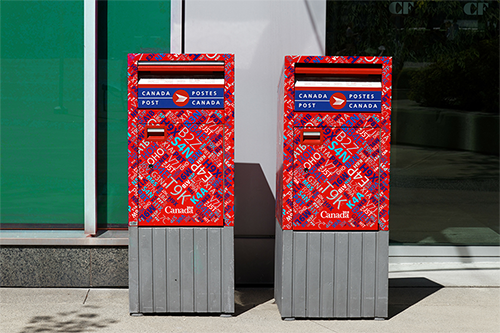
Hundreds of thousands of Canadian small businesses, retailers, and independent online sellers rely on Canada Post to deliver packages to their customers. However, a national strike by Canada Post workers commenced on September 25, leaving business owners to scramble to find affordable alternatives to ship their products.
Negotiations between Canada Post and the Canadian Union of Postal Workers have been going on for more than a year and a half. There doesn’t appear to be a quick resolution to the impasse.
This might feel like déjà vu for Canadian small businesses. A Canada Post strike last November disrupted operations for 32 days during the crucial holiday shopping season.
Another Canada Post strike could significantly impact the small business community, adding to the challenges posed by U.S. tariffs affecting our economy.






How Would a Canada Post Strike Affect Small Businesses?
A Canadian Federation of Independent Business survey in late 2024 found nearly 80% of small businesses rely on Canada Post, and 75% of small firms reported they’d be negatively affected by a Canada Post work stoppage.
Besides shipping products to customers, small businesses rely on Canada Post to distribute printed marketing materials and manage invoices and payments with suppliers and business partners.
One small business owner told CBC News during last November’s postal strike, “Forty-five per cent of our business goes out through Canada Post. So if all of a sudden we can’t ship that 45 per cent, (we) can’t meet (our) overhead.”
What Can Small Businesses Do to Keep Shipping During a Canada Post Strike?
There are a few options business owners can pursue to manage their shipping needs during a postal strike, including:
Use Alternative Carriers
Although it may increase shipping costs, using alternative national shipping carriers such as Freightcom, FedEx, Purolator, Canpar, UPS, ICS Courier, and DHL is a practical solution during a Canada Post strike.
Small businesses can also consider regional or local coach operators within their jurisdictions to maintain shipping services within Canada during postal disruptions.
For example, Maritime Bus offers delivery services to major centres in the Maritime provinces. Ontario Northland bus lines ship packages to or from northern Ontario, 6Transport serves southern and eastern Ontario, and Bus Parcel Canada offers parcel delivery nationally.
Offer Local Pickup or Delivery
Promote in-store or curbside pickup by offering incentives. Providing a modest discount on future purchases to customers who opt for local pickup can help drive sales.
Locally, companies like DoorDash, Uber, and Lyft provide logistics and delivery for small packages, typically at a flat rate per delivery.
Set Minimum Order Thresholds
Requiring customers to purchase a minimum number of items or reach a specific order value for free shipping can help protect a business’s margins and consolidate overall shipping costs.
To sweeten the deal, in addition to covering the shipping fee for a larger order, throw in a coupon or discount for future purchases.
Be Transparent With Customers
To manage expectations, be transparent with your customers about higher shipping costs, alternative options, and potential delays resulting from a Canada Post strike.
Consider offering customers a discount if they’re willing to accept a slower, batched delivery (batched deliveries involve customer orders that are grouped and shipped in batches weekly or monthly).
Can Business Insurance Help During a Postal Strike?
No. A typical business insurance policy does not cover the financial impact of a postal strike.
While business interruption insurance exists to cover a company’s financial losses and overhead following an insurable loss – such as a fire that forces the temporary closure of a business property for repairs – it does not apply to postal strikes.
However, business owners can protect the goods they ship to customers by securing cargo insurance for shipping by land, air, or sea. It covers damages and losses caused by natural disasters, fire, flood, theft and vandalism, customs rejections, and transportation-related accidents or collisions.
For shipping expensive, highly valuable products and equipment by land transportation (trucks, train), inland marine insurance is available. Sometimes called heavy equipment insurance or tools and equipment insurance, it covers damage or loss of goods caused by theft, vandalism, or damage from a collision.
How to Get Comprehensive, Low-Cost Business Insurance
Despite the challenges posed by a possible postal strike, a customized business insurance policy helps protect self-employed professionals and business owners from a broad range of expensive damages and losses beyond their control.
Zensurance is Canada’s leading business insurance brokerage serving over 350,000 Canadian small businesses and independent professionals across hundreds of industries get the tailored liability protection they need.
Fill out our online application for a free quote in just a few minutes.
We’ll shop our extensive partner network of over 50 insurers to get the coverage your business needs, customize it to address your concerns and risks, and issue policy documents and a certificate of insurance in 24 hours or less.
– Updated October 1, 2025.
Sign Up for ZenMail
"*" indicates required fields
Recent Posts

Emergency Preparedness Week 2026: 10 Tips for Small Businesses in Canada
Emergency Preparedness Week 2026 runs from May 3 to 9. Is your small business ready for a flood, wildfire, or earthquake? Grab our free emergency supply kit checklist and use these 10 tips to protect your business before disaster strikes.

Is Your Small Business Ready for Wildfire Season?
Wildfire season in Canada now starts earlier and hits harder. Here's what small business owners need to know and do to protect their properties before the next fire breaks out.

Zensurance $10,000 Business Grant Recipient: Next Level Property Management
Meet the recipients of our $10,000 grant and five $1,000 grants! We chatted with these business owners to get their best advice for other entrepreneurs, plus why they think insurance is a must-have for keeping a business’s finances secure.