
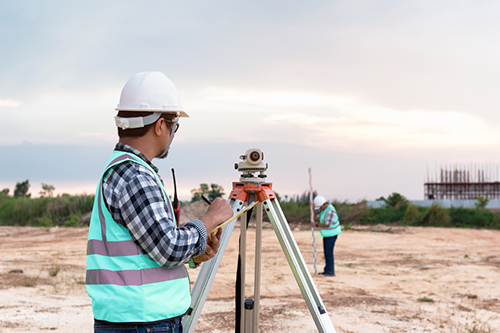
Land developers, builders, and construction companies that acquire plots of vacant land with plans to develop them for residential or commercial buildings might think there’s little need to get insurance in place until they break the ground and begin to build. But think again.
It’s a common misconception that you can save money by postponing purchasing business insurance before initiating construction on undeveloped land, but the opposite is true. Doing so after the fact can make getting insured more difficult and could lead to a higher premium.
Therefore, a construction business or land developer should have business insurance before starting a construction project to cover a range of risks and liabilities that can arise during the construction process.
After all, insurance is a crucial risk management tool in the construction and land development industry that provides financial support against unforeseen events, legal liabilities, and financial losses. It is the best way to protect your investment and business.

Related Posts





Categories
What Are the Risks of Developing Land Without Insurance?
The consequences of initiating land development without insurance can be severe. Some of the primary liability risks you may face include:
Third-party property damages
A developer may be personally exposed to the risk of property damage during development, from accidental damage to existing structures, neighbouring properties, or environmental harm.
Third-party bodily injuries
In the absence of liability insurance, the developer may be personally responsible for any injuries on the construction site, such as injuries to visitors, passersby, or stakeholders who may be affected by your construction activities.
Construction defects
If the developed property has construction defects that cause harm or financial loss to subsequent owners, you may be liable for repairs and damages.
Legal disputes
Legal disputes with contractors or subcontractors could result in significant financial burdens for the developer, including disagreements over the quality of work, delays, or contractual issues.
Environmental liability
Developing land typically involves activities that come with environmental implications. That exposes you to being held financially responsible for pollution, contamination, or other environmental issues during development.
Contractual liabilities
Many construction projects involve contracts with various parties. Those contracts can pose legal and financial consequences if you fail to fulfill your contractual obligations or if disputes arise with stakeholders.
Financial losses due to unforeseen events
We live in an unpredictable world. Natural disasters, fire, accidents, or unforeseen events that cause financial loss during the development phase means you bear the financial burden if something goes sideways unexpectedly.
Inability to secure financing
The lack of an insurance policy and certificate of insurance can deter potential investors or lenders who may be unwilling to participate in funding your project without it.
Regulatory compliance
Failure to comply with local and provincial regulations and building codes can lead to fines and costly lawsuits. An insurance policy can help cover the costs of bringing your project into compliance.
What Type of Construction Insurance Do You Need for Land Development?
What a comprehensive insurance policy for land development should include depends on the scope of the project and the risk factors you face.
Generally, a builder’s risk insurance policy is the most economical. Also called course of construction (COC) insurance, it’s designed to cover development that’s under construction, including the buildings you’re erecting, the construction materials on-site, and liability in the event of physical loss or damage due to things like fire, natural disasters, theft, or vandalism.
However, there may be other coverages you should consider adding to ensure maximum protection, such as:
- Pollution liability insurance covers pollution-related risks that may arise during construction activities, protecting against claims related to environmental damage.
- Tools and equipment insurance protects your transportable equipment and tools used on the project against damage, theft, or loss.
- Professional liability insurance covers claims of professional negligence or design, engineering, or consulting service errors. It’s also referred to as errors and omissions (E&O) insurance.
- Contractual liability insurance helps deal with third-party bodily injury or property damage claims you assume responsibility for in a contract while construction is underway.
- Umbrella liability insurance extends the protection to your existing liability coverage limits. Think of it as an extra layer of security when liability claims go beyond your standard policy limits.
- Cyber liability insurance protects your finances from costs associated with data breaches or other cyber incidents, like a phishing attack or cyber-attack.
- Commercial auto insurance covers your business vehicles used to transport people, equipment, or materials if involved in an accident.
How to Get Development Land Insurance Fast
You’ve got development plans to tackle. Before work begins, let Zensurance quickly get the low-cost land development coverage you need.
Simply fill out our online application to get a free quote. If you have questions about what your policy should contain and what coverage limits and deductibles to choose, talk to one of our knowledgeable brokers. They can provide the expert advice you need and customize a policy to suit your specific requirements.
Recent Posts
How Much Is Commercial Vehicle Insurance in Canada?
The cost of commercial vehicle insurance in Canada varies by insurer. Here's what drives your rate, why business vehicles cost more to insure than personal ones, and how to keep your premium down.
Winter-Proofing Your Commercial Property: 10 Steps to Take Before the First Freeze
Don't let winter put your business property at risk. A few hours of prep in the fall can save you a five-figure repair bill in January. Here are 10 ways Canadian small business owners can safeguard their commercial property this season, and how commercial property insurance covers what prevention can't.

12 Tips for Buying the Right Business Insurance in Canada
61% of Canadian small business owners surveyed have no coverage at all. That's a gamble few can afford to take if something goes wrong. Here's how to buy the right business insurance, and avoid paying for what you don't need.
Sign Up for ZenMail
"*" indicates required fields