
Insurance policy terms can be confusing – like business insurance peril. What does that actually mean?
By definition, a peril is a serious and immediate danger. In business insurance, a peril is a risk or event that may cause a business owner a financial loss or lead to a liability claim against them.
Think about the risks that cause losses or damages to small businesses, such as theft and vandalism, natural disasters and severe weather, fire, internal water damage, or the threat of a lawsuit. These are all perils.
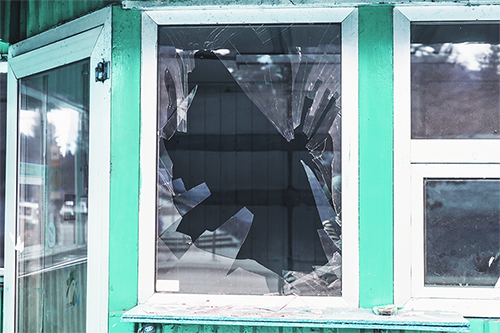
A business insurance policy may feature named perils, specified perils, or all-risk perils coverage. Each type addresses events listed in the policy. Therefore, knowing what perils are listed in a policy is essential.
What Is an Uninsured Peril?
Uninsured or uninsurable perils are events or situations a policy does not cover.
Examples of uninsured perils may be storm surges, overland floods, earthquakes, landslides, and insect and rodent infestations.
Some insurance providers won’t cover specific kinds of perils in a standard policy for two reasons. First, some are too expensive to insure (some catastrophic disasters fall into this category). Second, if the perils are considered an intangible risk, a provider may be unable to price them adequately and offer coverage.
What If a Business Suffers Loss or Damage for a Peril That Isn’t Listed in Their Policy?
Finding out your policy does not cover a loss you’ve incurred is not something any small business owner wants to contemplate. Still, there may be a time when a business suffers loss or damage due to a peril that is not among the named perils policy. What then?
For example, suppose flood damage from a storm surge is not listed as a peril in a commercial property policy or is expressly excluded. In that case, your insurer will likely deny the claim. Only the damage caused by the perils listed in your policy is covered, and you are compensated up to the policy’s coverage limit.
What Are Commonly Insured Perils for Small Businesses?
Small businesses are commonly insured for the following types of perils:
- Fire and smoke damage from accidental fires, electrical fires, or wildfire
- Theft and vandalism
- Water damage from burst pipes or leaking appliances
- Wind storms, hailstorms, and lightning strikes
- Falling objects, such as a tree branch that impacts a building
- Vehicle collisions
- Liability lawsuits if you’re sued for third-party bodily injury or property damage due to your operations or if facing an allegation of professional negligence
Suppose your commercial property suffers damage from a fire. Although fire may be an insured peril, it’s important to remember your claim is subject to your policy’s coverage limits and exclusions – some exclusions in a business property policy might include war, mould and fungus damage, rust and corrosion, and insect or pest infestations.
How to Get the Right Insurance to Protect Your Business
Partnering with a licensed Zensurance broker is a smart way to ensure your small business has the right business insurance coverage to protect your assets and finances.
There are many reasons why choosing a broker to help protect your small business is wise. For example, a broker can guide you on minimizing risks and getting the coverage you need at an affordable price.
Hundreds of thousands of small business owners across Canada trust Zensurance to provide them with customized coverage to suit their needs. We can help your business too.
Fill out our online application for a free quote.
Let our team shop our partner network of over 50 insurers to get the best coverage available for your business.
– Updated March 12, 2025.

Related Posts





Recent Posts

Commercial Fleet Insurance in Canada: Does Your Business Need It?
If your business runs four or more vehicles, one commercial fleet insurance policy is usually cheaper and simpler than four separate commercial auto policies. Here's what fleet insurance covers, what it costs, and how to bring your premium down.

What You Need to Know About Vacant Commercial Property Insurance
An empty building isn't a safe building. Vandalism, burst pipes and liability claims don't stop when your tenant moves out – and your existing policy may stop covering them. Here's how vacant commercial property insurance fills the gap.

What Is Short-Term Rental Insurance for Airbnb and VRBO Hosts in Canada?
Insurance companies treat homesharing as a commercial activity, which means your homeowner policy likely won't cover you when a guest checks in. Here's what Airbnb and VRBO hosts in Canada need to know about short-term rental insurance and the gaps it fills.
Sign Up for ZenMail
"*" indicates required fields