
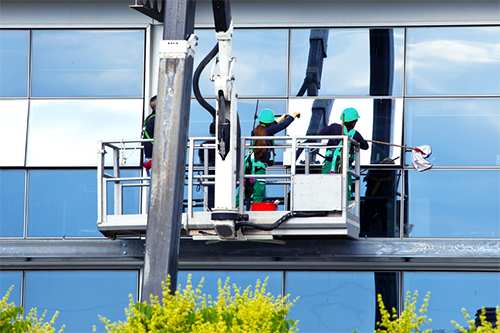
The window cleaning profession, while in high demand, is not without its risks. The potential for liability perils looms large, posing a threat to both your finances and your career.
Given the high-demand nature of the industry and the often significant heights at which work is performed, the need for a comprehensive window cleaner insurance policy cannot be overstated. It’s a crucial shield against the myriad threats your business may face.
Let’s delve into why professional window cleaning contractors need liability insurance, what a policy for your profession includes, and most importantly, what proactive steps you can take to minimize the possibility of accidents and damages that could impact your finances.

Related Posts





Categories
Do Window Cleaners Need Insurance?
There are many reasons why professional window cleaners need insurance, including:
- Coverage for accidental damage to customer properties and injuries to customers and passersby
- Support to pay for damage or loss of tools and equipment
- Compliance with provincial regulations and laws
- Coverage for your business property, inventory, business contents and commercial vehicles
- To abide by contractual obligations, particularly with commercial customers, that require you to be fully insured
What Does a Window Cleaner Insurance Policy Include?
A typical window cleaner liability insurance policy may include the following coverages:
- General liability insurance covers third-party bodily injury and third-party property damage claims because of your operations.
- Tools and equipment insurance protects your business’s portable tools, ladders and lifts, safety gear, and other equipment if damaged by fire, water, a natural disaster, vandalism, or theft.
- Pollution liability insurance covers claims or allegations of third-party bodily injuries, illnesses, or environmental damage caused by the chemicals you use at a job site.
- Commercial property insurance is necessary to protect your office or warehouse from damages caused by fire, water, a natural disaster, theft, and vandalism.
- Commercial auto insurance covers your business vehicle and third-party liability if you’re involved in a collision.
9 Ways Window Cleaners Can Reduce Their Liability Risks
Preventing accidents and injuries is the best way to reduce your company’s liability risks and avoid filing a claim. Here are nine things to consider:
1. Ensure Employees Are Trained
One of the most crucial aspects of risk management is ensuring all employees are thoroughly trained in safe window cleaning techniques, equipment use, and handling hazardous situations. This is a direct investment in the safety of your work environment.
2. Identify Workplace Hazards
Before beginning work on any job site, do a site assessment to identify potential hazards that may cause injuries to customers, passersby, and employees.
Have employees wear personal protective equipment (PPE) such as full-body harnesses, safety glasses, gloves, and helmets, especially when working at heights. They should also wear respirators when using chemicals. Also, be aware of electrical hazards such as nearby power lines.
3. Inspect Equipment
Invest in high-quality equipment that meets safety standards. Before starting work, regularly inspect and maintain tools and equipment, including ladders. Also, ensure the type of ladders being used is appropriate for the conditions at the job site.
4. Know the Weather Conditions
Keep abreast of the weather forecast and avoid working in windy or stormy conditions that can affect your and others’ safety. It’s also recommended to avoid overexposure to high temperatures and direct sunlight, as well as extreme cold. Take breaks and stay hydrated.
5. Always Use Fall Protection Equipment
In most provinces, workers must wear a “fall arrest system” if they are working at a height of three meters or more and no guardrail is installed. Furthermore, use passive fall protection equipment, such as a guardrail, on job sites or active fall protection equipment if no passive fall protection equipment is available.
6. Work in Pairs
Whenever possible, employees should team up to assist each other in emergencies, help stabilize ladders, and provide an extra set of eyes for potential hazards.
7. Follow Recommended Safety Practices
Use both hands when climbing ladders, avoid overreaching, and always maintain three points of contact (two hands and one foot or two feet and one hand).
Always post signs along sidewalks and other areas where pedestrians and passersby pass to warn them of the work being conducted overhead. Install a temporary barrier to direct pedestrians away from the work area if possible.
8. Be Prepared for Emergencies
At least one worker on every job site should be trained in basic first aid, know where all entrances and exits on every building are in case you need to evacuate the premises quickly and ensure all employees are aware of what emergency procedures to take in the event of an accident or injury.
9. Get Adequate Insurance Coverage
Get comprehensive liability insurance before taking on any job. Insurance helps protect your business and customers if their property is damaged or they are injured because of your operations. Most property owners will expect you to have a policy and a certificate of insurance.
How to Get Low-Cost Window Cleaner Insurance Fast
Getting comprehensive, low-cost window cleaner insurance is easy through Zensurance.
Fill out our online application for a free quote in less than five minutes.
We’ll shop our partner network of over 50 insurers to quickly find the policy you need and customize it to suit your specific requirements.
Related Posts

What You Need to Know About Vacant Commercial Property Insurance
An empty building isn't a safe building. Vandalism, burst pipes and liability claims don't stop when your tenant moves out – and your existing policy may stop covering them. Here's how vacant commercial property insurance fills the gap.

What Is Short-Term Rental Insurance for Airbnb and VRBO Hosts in Canada?
Insurance companies treat homesharing as a commercial activity, which means your homeowner policy likely won't cover you when a guest checks in. Here's what Airbnb and VRBO hosts in Canada need to know about short-term rental insurance and the gaps it fills.

What Insurance Does a Home-Based Bakery in Canada Need?
Your homeowner's policy almost certainly won't cover your cupcakes. Here's what home-based bakery insurance includes, what it costs, and why product liability is the coverage you can't skip.
Sign Up for ZenMail
"*" indicates required fields