
The people who work for your business are your most valuable assets.
Your employees are the face of your company and your brand ambassadors. They serve and assist your customers, produce your organization’s goods and services, drive profit, solve problems, and attract new talent.
You want to treat your employees well and ensure they are adequately compensated and protected, but unfortunately, accidents sometimes happen that result in an employee suffering an injury or illness.
Should such an incident occur to an employee while on your commercial property or elsewhere during their regular duties, the financial liability to cover their medical expenses could fall on you. And those costs could be devastating. That’s why every employer should think about including employers’ liability insurance in their policies.


Related Posts





What Is Employers’ Liability Insurance, and What Does It Cover?
Employers’ liability insurance is a form of general liability insurance. It’s designed to protect business owners or companies if facing an allegation or lawsuit claiming negligence that caused an employee’s injury, illness, or death in the workplace or while on the job.
It covers a business’s legal costs and settlement if an employee sues them for compensation and the employee’s medical expenses, lost wages and future earnings up to the policy’s coverage limit.
Although the onus is on the plaintiff or claimant to prove the business was negligent and is responsible for an employee’s injury, illness, or death, defending your business from this type of claim or legal action can cost hundreds of thousands of dollars.
Do Businesses Exempt From Workers’ Comp Need Employers’ Liability Coverage?
It’s worth noting there are differences between how employers’ liability insurance and workers’ compensation insurance work.
Small businesses that pay into their provincial workers’ compensation fund to cover bodily injuries or illnesses their employees suffer in the workplace or as part of their jobs can still be liable for work-related injuries or damages to employees. Workers’ comp covers an injured employee’s medical expenses and lost wages, but that’s it. So, even if your company is signed on with workers’ comp, you can be liable for an injury or illness at the workplace.
Therefore, employers’ liability insurance complements provincial workers’ compensation insurance in that it covers claims workers’ comp does not.
Companies that are exempt from paying into their provincial workers’ compensation plan face even greater financial exposure from a work-related injury or death of an employee – medical expenses, lost earnings, legal fees and paying for judgments or out-of-court settlements.
How to Get Employers’ Liability Insurance Today
Protect your business and employees by adding employers’ liability insurance to your policy.
Filling out our online application for a free quote only takes a few minutes. Our knowledgeable brokers will get the low-cost coverage you need, customize the policy per your requirements, and answer your questions.
Recent Posts
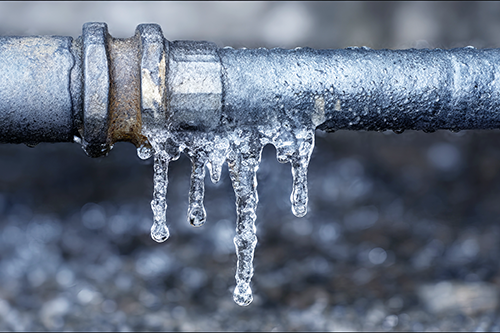
Winter-Proofing Your Commercial Property: 10 Steps to Take Before the First Freeze
Don't let winter put your business property at risk. A few hours of prep in the fall can save you a five-figure repair bill in January. Here are 10 ways Canadian small business owners can safeguard their commercial property this season, and how commercial property insurance covers what prevention can't.

12 Tips for Buying the Right Business Insurance in Canada
61% of Canadian small business owners surveyed have no coverage at all. That's a gamble few can afford to take if something goes wrong. Here's how to buy the right business insurance, and avoid paying for what you don't need.

How to Write a Snow Removal Contract in Canada
Snow removal contracts do more than lock in the work. They define your scope, spell out who's liable, and get you paid on time. Here's what to include in your commercial and residential snow removal contracts before the first flake falls.