
Seeking the help and guidance of alternative health practitioners, including herbalists, is not uncommon in Canada.
According to the federal government, 71% of Canadians use natural health products like vitamins and minerals, herbal products, and homoeopathic medicines.
Sometimes referred to as holistic health or herbal practitioners, herbalists offer a holistic approach to health and wellness. They endeavour to tailor herbal remedies to address their patients’ health issues or goals using natural health products — probiotics, herbal remedies, and homoeopathic products.
Although it may not be mandatory in some provinces, insurance for herbalists is essential for protecting their careers, finances, and reputations from the many liability risks they face.
Let’s explore why:

Related Posts




What Liability Risks Do Herbalists Face?
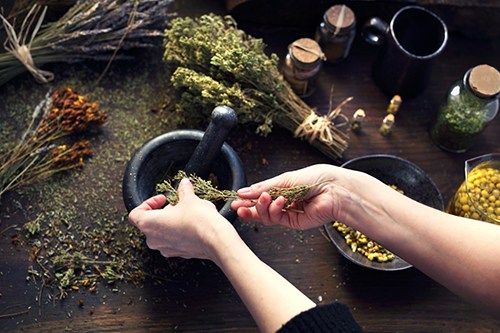
Herbalists grow and use various parts of plants, such as leaves, roots, bark, and flowers, to create medicinal remedies – teas, capsules, creams – for various health issues. They may also offer consultations with patients and develop treatment plans based on their health challenges and concerns to support their overall well-being while collaborating with other healthcare professionals.
Health Canada oversees and regulates the sale of natural health products. The federal agency’s Natural Health Products Regulations define and outline the rules governing how over-the-counter, non-prescription drugs and remedies are distributed and sold.
Like other health and wellness practitioners, herbalists face several liability risks, such as:
- Adverse reactions to herbal remedies causing a patient harm that can lead to third-party bodily injury claims
- Allegations of misdiagnosis or ineffective treatment
- Claims of wrongdoing by a patient for operating outside their scope of practice that causes them physical harm
- Product liability claims from any product or remedy they sell or administer to a patient that causes harm
What Does a Herbalist Insurance Policy Include?
What an herbalist insurance policy includes for your clinic or practice depends on several factors related to your services. A typical policy to safeguard herbalists may consist of the following types of coverages:
Medical Malpractice Insurance
Also known as professional liability insurance, medical malpractice insurance is critical for herbalists and all health and wellness practitioners. It protects you from allegations or claims of professional negligence, mistakes, misconduct, or failure to deliver a service as promised. It covers your legal expenses and out-of-court settlements or judgments against you.
General Liability Insurance
Commercial general liability insurance protects you from third-party bodily injury or third-party property damage claims arising from your regular activities at your clinic or practice. For example, if a patient visiting your clinic or office is injured in a fall after tripping on the carpet, general liability insurance may cover their medical and rehabilitation expenses.
Product Liability Insurance
All herbalists, health and wellness practitioners, and retailers are liable for any product they manufacture, distribute, or sell. Product liability insurance covers claims of third-party bodily injury from a patient arising from any remedies, supplements, or related products you administer or sell. It pays for your legal expenses and covers an injured patient’s medical fees.
Business Contents Insurance
Business contents insurance protects all the assets at or on your commercial property you need to run your practice and generate revenue. It covers your inventory or stock, computing systems, point-of-sale (POS) terminals, furniture and fixtures, and office equipment if damaged by fire, water, a natural disaster, theft or vandalism.
Regulatory Proceedings Liability Insurance
If facing an investigation by your provincial regulator, professional association, or a peer review committee, regulatory proceedings liability insurance is designed to foot the legal bill for your expenses associated with an investigation and hearing.
Cyber Liability Insurance
All small businesses and independent professionals are susceptible to the threat of cyber-attacks and data breaches. Cyber liability insurance covers your expenses if you suffer a data breach or cyber-attack that compromises your computing systems and patients’ confidential information.
You may wish to include other coverage options in your policy. For example, if you own or lease a commercial space for a clinic, you need commercial property insurance to protect the property and your business contents from damage and loss because of fire, water, a natural disaster, theft and vandalism.
Speak to a licensed Zensurance broker if you have questions about what your policy should include and what coverage limits your policy requires.
How to Get Customized Herbalist Insurance Coverage Today
Protecting your profession and finances from all the things that can cost a herbalist thousands of dollars is easy through Zensurance.
Fill out our online application now to get a free quote.
Let our knowledgeable team shop our partner network or over 50 insurers to find the low-cost coverage you need and customize it to suit your practice and budget.
Recent Posts

Emergency Preparedness Week 2026: 10 Tips for Small Businesses in Canada
Emergency Preparedness Week 2026 runs from May 3 to 9. Is your small business ready for a flood, wildfire, or earthquake? Grab our free emergency supply kit checklist and use these 10 tips to protect your business before disaster strikes.
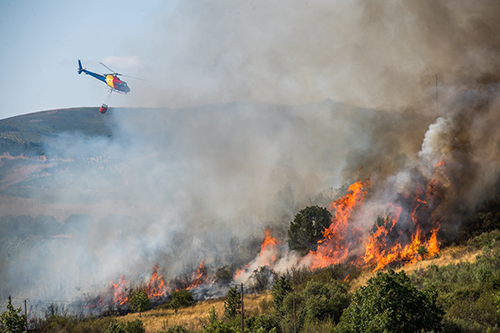
Is Your Small Business Ready for Wildfire Season?
Wildfire season in Canada now starts earlier and hits harder. Here's what small business owners need to know and do to protect their properties before the next fire breaks out.

Zensurance $10,000 Business Grant Recipient: Next Level Property Management
Meet the recipients of our $10,000 grant and five $1,000 grants! We chatted with these business owners to get their best advice for other entrepreneurs, plus why they think insurance is a must-have for keeping a business’s finances secure.